
When Bats Vanish: How U.S. Insecticide Surges Hold Lessons for European Agriculture
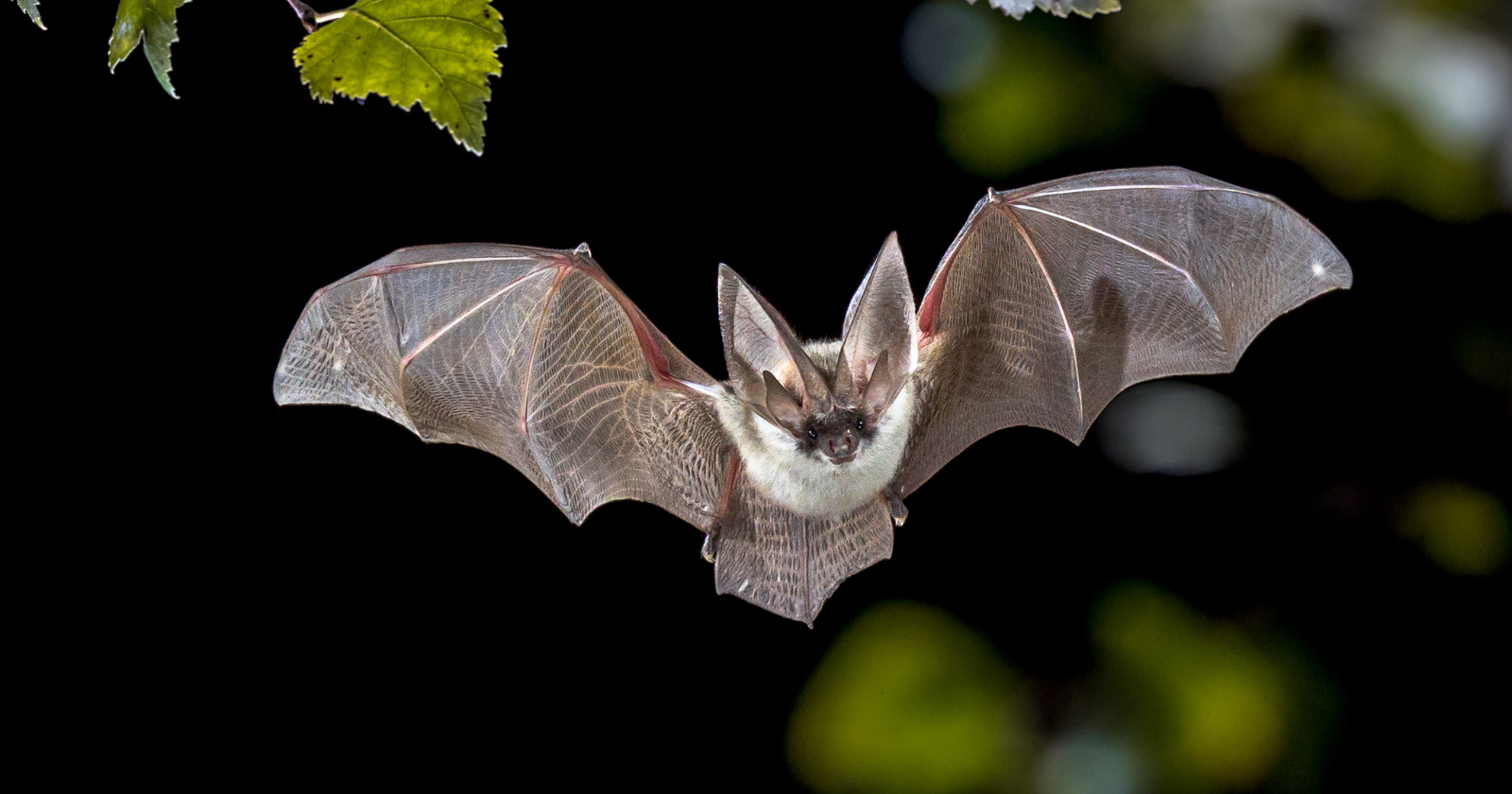
Recent research published in the journal Science has brought to light a sobering ecological chain reaction in North American agriculture. Following the devastating spread of white-nose syndrome, a fungal plague that decimated local bat populations, agricultural producers in affected regions faced a sudden surge in insect pests. Without natural predators to keep moth, beetle, and aphid populations in check, farmers turned heavily to chemical solutions, leading to a measurable spike in insecticide applications across hundreds of counties.
The ecological vacuum left by the disappearance of wildlife highlights just how much modern farming relies on natural ecosystem services. Bats, birds, and beneficial predatory insects act as an invisible, self-sustaining biological barrier against crop damage. When these biological controls collapse, the immediate economic reflex is often an intensification of chemical crop protection, driving up operational costs for growers while introducing new environmental burdens into local watersheds and rural communities.
For agronomists and farm managers across Europe, this American case study serves as a stark reminder of the risks associated with simplified agricultural landscapes. While the drivers differ—ranging from habitat loss to intensive chemical regimes—European farming systems are similarly grappling with declining populations of pollinators, birds, and beneficial predatory insects. Preserving functional biodiversity is not merely an environmental goal, but a fundamental pillar of resilient crop production and long-term risk management.
Integrated Pest Management (IPM) strategies, which prioritize biological controls, crop rotation, and habitat corridors such as field margins and hedgerows, are critical tools in preventing over-reliance on chemical inputs. As European Union regulations continue to pressure growers to reduce pesticide usage under the Farm to Fork strategy, integrating functional ecology into daily field management becomes increasingly essential for maintaining stable yields without compromising environmental and human health.
Ultimately, the cascading impacts observed in the American study demonstrate that the health of rural communities is deeply intertwined with the ecological integrity of surrounding farmlands. Protecting and restoring natural predators on agricultural land is an investment in both crop resilience and public safety, proving that sustainable agronomy ultimately benefits everyone from the tractor cabin to the nearest village.
Context for farmers: European agronomists must view biological pest control and functional biodiversity not as optional extras, but as critical buffers that protect farm profitability and public health against unforeseen ecological disruptions.
— agronom.work editorial team