
The Hidden Hazard: How Wildfires and Climate Change Expose Explosive Remnants of War
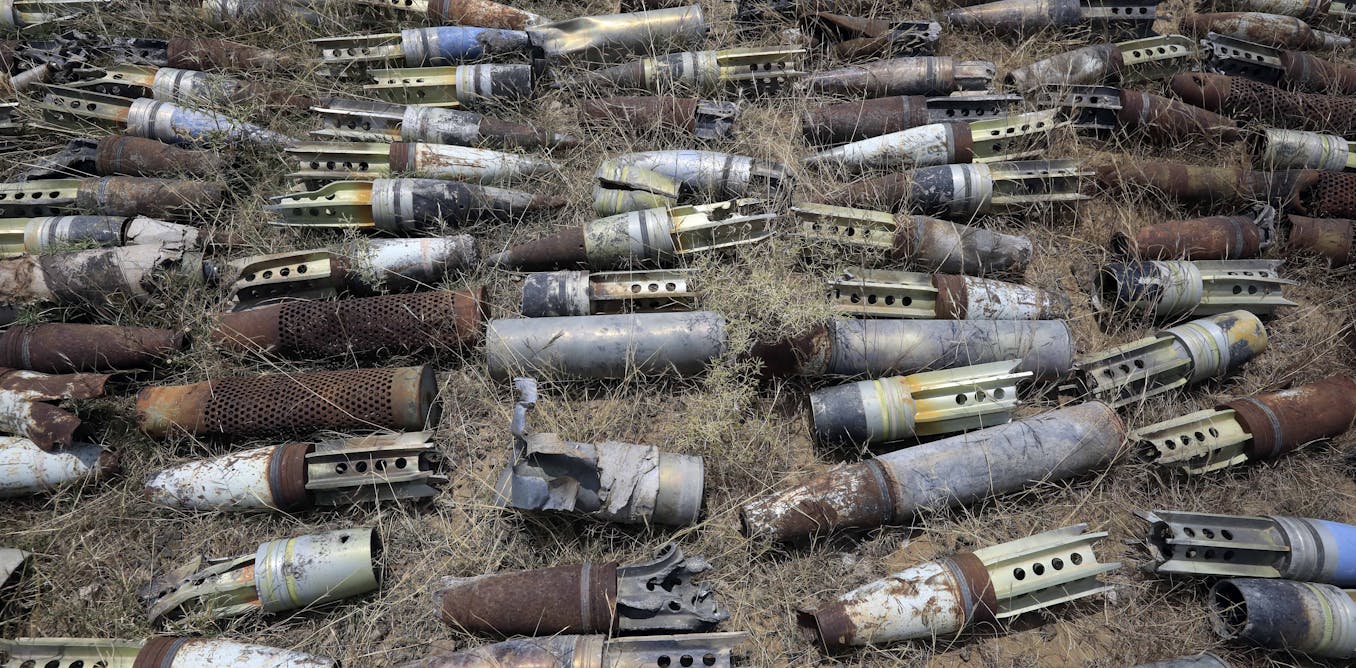
Recent heatwaves and record-breaking wildfires across Europe have exposed a dangerous, often overlooked agricultural risk: the migration of unexploded ordnance (UXO). As vegetation burns away, land that was once thought to be cleared is now revealing hazardous remnants of past conflicts, particularly in regions that saw heavy fighting during World War I and II.
For farmers operating in rural Europe, this poses a severe threat to both personnel and machinery. Soil erosion caused by drought and the removal of topsoil by fire can shift debris that has remained buried for decades. Areas previously deemed safe for heavy cultivation are now becoming hotspots for potentially lethal finds, requiring a complete reassessment of field accessibility.
The risk is compounded by the fact that many rural areas lack the infrastructure for rapid ordnance clearance. As farm operations ramp up for harvest, the pressure to enter fields increases, but the likelihood of encountering rusted, unstable munitions is at an all-time high due to shifting topsoil. This forces a difficult trade-off between operational timelines and the physical safety of workers.
Beyond immediate safety, there is a financial implication for equipment maintenance and insurance. Modern combine harvesters and tractors are high-value investments; hitting a piece of buried ordnance is not only a life-threatening event but can lead to catastrophic damage to the machinery and total loss of harvest potential in the affected patch of land.
Context for farmers: If you are farming in areas with a history of conflict, prioritize deep-soil scanning of fallow or newly cleared plots before deploying heavy machinery. Maintain constant communication with local authorities regarding suspicious debris, as the combination of extreme weather and ground shifts is significantly altering the distribution of historical explosive hazards.
— agronom.work editorial team