
Wisconsin Bird Flu Outbreak Triggers Fresh Biosecurity Warnings for Poultry Farms
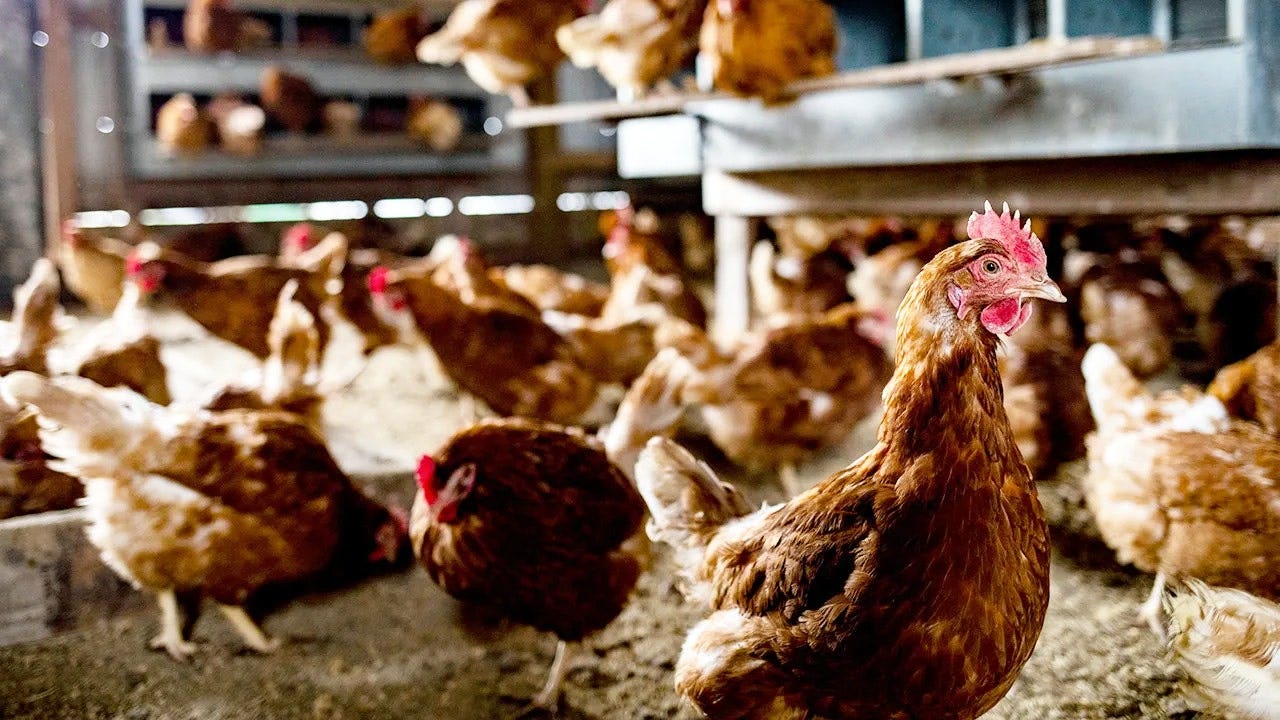
State agriculture officials in Wisconsin have confirmed a new outbreak of highly pathogenic avian influenza (HPAI) affecting a backyard poultry flock in Rusk County. To contain the spread of the virus, authorities swiftly depopulated the infected birds and established strict quarantine radiuses around the affected property. While this specific incident involved a small non-commercial holding, it serves as an unwelcome reminder of the persistent threat that HPAI poses to the broader poultry sector as seasonal migratory patterns ramp up viral transmission risks.
For commercial poultry producers across North America and Europe, managing biosecurity remains a round-the-clock challenge. Avian influenza spreads rapidly through direct contact with infected wild birds, contaminated feed, equipment, and even footwear. Farm managers are continually forced to tighten perimeter defenses, enforce strict sanitation protocols for incoming personnel, and transition free-range or pasture-raised flocks into secure indoor housing during peak migration windows. Even minor lapses in biosecurity can lead to catastrophic flock mortality and devastating economic losses.
Beyond immediate operational disruptions, a confirmed HPAI detection carries severe economic consequences for regional and international trade. Importing countries frequently impose immediate bans on poultry products from affected states or regions, creating severe supply chain bottlenecks and depressing farm-gate prices for domestic producers. While backyard flocks generally account for a fraction of commercial output, they can act as epidemiological stepping stones if the virus breaches containment and jumps to high-density commercial barns housing hundreds of thousands of birds.
Veterinary agencies and industry associations are urging all poultry keepers, regardless of scale, to review their emergency preparedness and biosecurity checklists. Recommendations include installing netting to keep wild birds away from domestic runs, dedicating specific clothing and boots for farm work, and immediately reporting any unexplained drop in egg production or sudden bird mortality to state veterinarians. Early detection is the single most effective tool in preventing localized outbreaks from escalating into regional epizootics.
What this means for the market: Poultry producers must immediately audit their biosecurity protocols, reinforce vector-proofing on barns, and monitor local wildlife migration patterns to safeguard commercial flocks against potential HPAI transmission vectors.
— agronom.work editorial team