
New Yeast-Derived Carrier Could Expand RNAi Biopesticides for Farmers
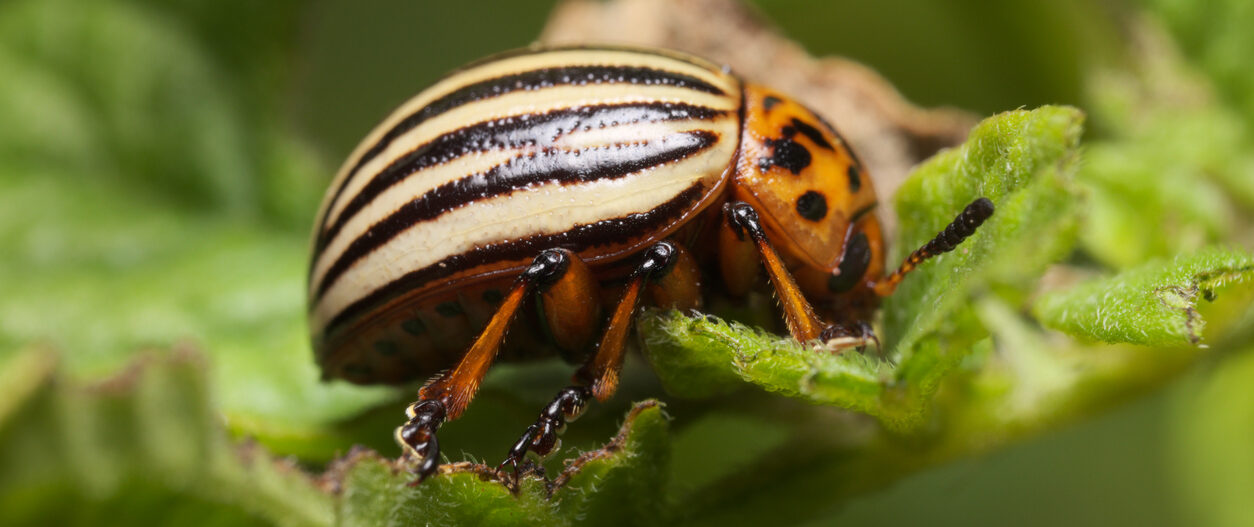
The constant battle against crop pests, such as the notorious Colorado potato beetle, is driving significant innovation in biological crop protection. Canadian firm Renaissance Bioscience has unveiled a new yeast-derived "virus-like particle" (VLP) platform aimed at enhancing RNA interference (RNAi) technology. For farmers, this development could eventually mean access to cheaper, more versatile, and highly targeted biopesticides that fit seamlessly into integrated pest management strategies.
RNAi technology works by targeting and neutralizing specific essential genes within a pest, effectively destroying it without leaving harmful chemical residues on the crop, in the soil, or affecting beneficial insects like bees. Traditionally, Renaissance engineered whole baker's yeast to deliver this RNA payload. The yeast acted as a protective shell, keeping the fragile RNA stable at room temperature. However, this method had a limitation: it was primarily effective only against chewing insects that physically consumed the yeast cells.
The recent breakthrough involves repurposing naturally occurring, completely harmless double-stranded RNA viruses found inside yeast. By emptying the genetic material of these viruses and replacing it with pest-killing RNA payloads, the company created tiny nanocarriers, or VLPs. Because these particles are microscopic—measuring just 40 to 50 nanometers—they are far smaller than whole yeast cells. This size reduction theoretically opens the door to targeting sap-sucking insects, fungi, and even specific resistant weeds, vastly expanding the tool's agricultural utility.
One of the largest barriers to the widespread adoption of RNAi biopesticides in commercial farming has been the high cost of production and environmental instability. According to the developers, this new VLP packaging method yields significantly higher amounts of the active RNA ingredient during production. Even though extracting the particles adds a processing step, the overall increase in yield is expected to drive down costs, making these advanced biological treatments more economically viable for broad-acre crops.
While this VLP technology is still in its early stages and has just been filed for a provisional patent, it represents a promising shift in precision crop protection. As regulatory bodies begin to evaluate these novel protein-shell carriers, the agricultural sector can look forward to a future where farmers have a broader arsenal of highly targeted, environmentally friendly tools to manage resistant pests, ultimately reducing the reliance on conventional broad-spectrum synthetic chemicals.