
Yellow Mosaic Virus Threatens Pulse Crops: Managing Viral Outbreaks in Farming
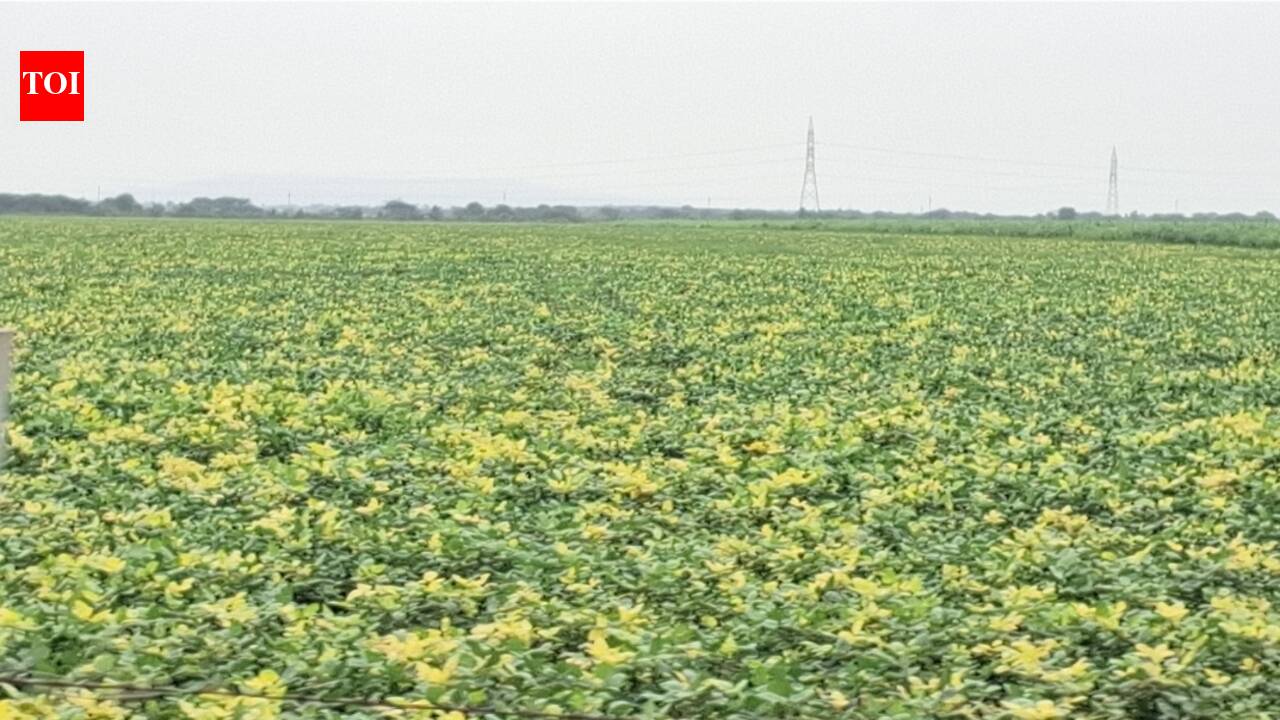
A surge in Yellow Mosaic Virus (YMV) infections is currently devastating pulse crops like urad (black gram) and moong (mung bean). This viral disease, transmitted primarily by the whitefly vector, causes yellowing of leaves and significant stunted growth, ultimately leading to substantial yield losses in affected fields.
For farmers, the presence of this virus is a direct hit to profitability. Once a field is infested, the ability to contain the spread relies heavily on controlling the whitefly population. If left unchecked, YMV can wipe out a significant portion of a crop, forcing farmers to choose between costly salvage operations or total field abandonment.
Agricultural experts emphasize the importance of early detection and rapid response. In regions prone to such outbreaks, the combination of insecticide applications targeted at the whitefly vector and regular field scouting is the standard line of defense. Agronomists often recommend using yellow sticky traps to monitor insect populations and help time spray intervals correctly.
Beyond immediate chemical intervention, crop rotation and the use of resistant seed varieties remain the most sustainable approaches to mitigating risk. Farmers should evaluate their historical field data to identify high-risk zones where pest pressure is typically higher, ensuring that subsequent planting cycles include preventative measures.
What this means for the market: The reduction in pulse supply due to viral damage typically leads to price volatility in domestic markets. Farmers should prioritize field sanitation and vector control to protect yield, while monitoring local supply trends to adjust marketing strategies for their remaining healthy inventory.
— agronom.work editorial team