
Root Asphyxiation in Tomato Aquaponics: The Hidden Danger of Biofloc Sludge
Biofloc aquaponics has been hailed as a breakthrough for sustainable, closed-loop greenhouse farming, combining aquaculture with soilless crop production. By utilizing fish waste and microbial communities to create nutrient-rich "flocs," farmers can significantly reduce the need for synthetic fertilizers. However, long-term commercial viability faces a serious biological hurdle.
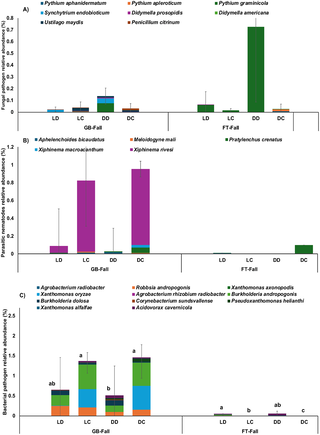
A recent two-year study focusing on tomato production in these systems has pinpointed the primary cause of sudden crop decline: severe root rot and wilt. While tomatoes initially thrive in the nutrient-dense environment, the system's reliance on suspended organic matter eventually turns against the plants.
The root of the problem lies in the accumulation of sludge within the hydroponic grow beds. In traditional soil farming, organic matter breaks down slowly and improves soil structure. In water-based aquaponic media, excessive sludge buildup physically coats the root system, creating an impermeable layer. This leads to root asphyxiation, depriving the plants of crucial oxygen and creating anaerobic pockets where harmful pathogens multiply.
For European agritech operators and indoor farmers, this finding shifts the focus from purely chemical nutrient balancing to mechanical system design. The assumption that biofloc acts as a perfectly self-regulating ecosystem is flawed; fruiting crops with extensive root networks, like tomatoes, are particularly vulnerable to sudden collapse once the media becomes saturated with microbial biomass.
Practical takeaway: For commercial aquaponic operators, installing advanced solid waste filtration and scheduling regular media flushes is critical. You cannot simply let biofloc accumulate; maintaining high dissolved oxygen levels and clean root zones is just as vital as managing nutrient concentrations.
— agronom.work editorial team