
EU to Ban Brazilian Meat Imports: What It Means for European Livestock Producers
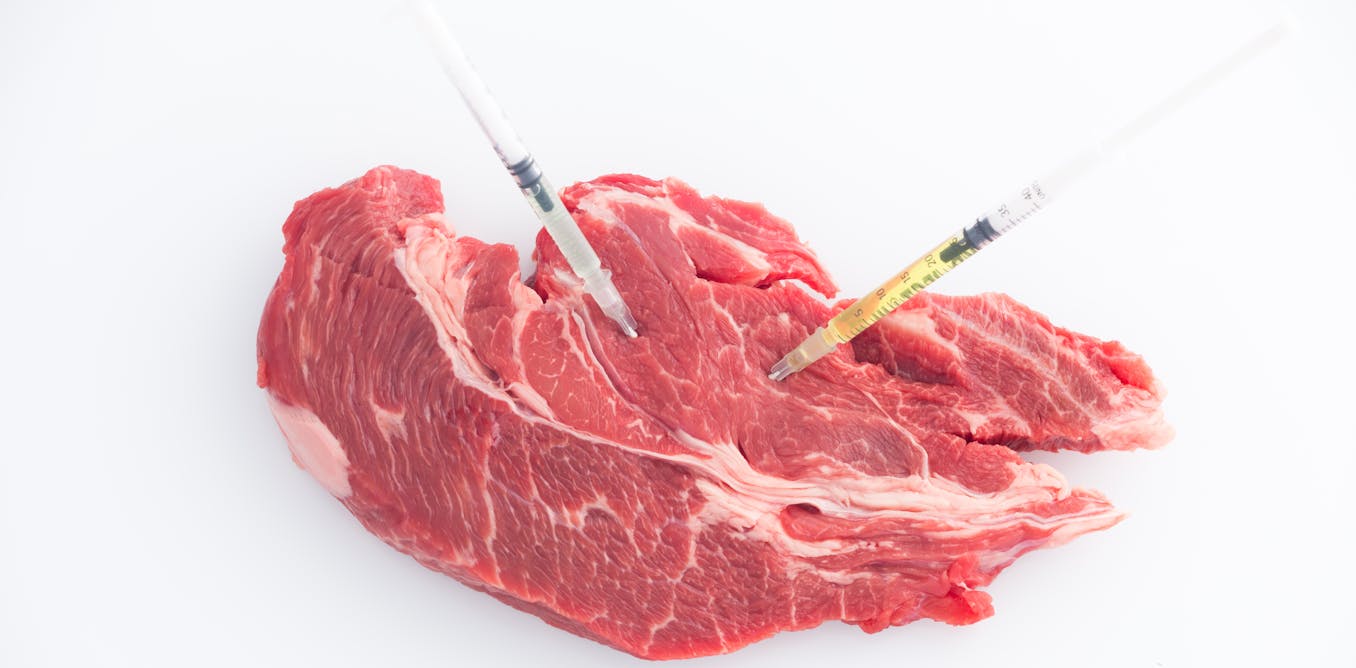
Starting September 3, 2026, the European Union and Northern Ireland will enforce a total ban on the import of Brazilian beef, poultry, and other animal-derived products. This decision stems from long-standing concerns regarding the widespread use of antibiotics in Brazil’s industrial farming systems, which regulators claim poses a significant risk of accelerating antimicrobial resistance (AMR).
For European farmers, this shift marks the most significant change in trade policy for the livestock sector in years. By removing a major global exporter from the market, the EU is effectively creating a supply vacuum that must be filled by domestic production or alternative trade partners who meet stringent EU veterinary standards. This represents a potential opportunity for local producers to reclaim market share that has been eroded by cheaper imports over the last decade.
However, the transition will not be without challenges. European livestock producers must now consider how this market adjustment will affect the pricing of input costs, particularly feed grains that might be redirected as the domestic meat sector potentially scales up to meet demand. Furthermore, the focus on antibiotic use serves as a regulatory signal: European production standards are becoming non-negotiable, and the industry should expect continued scrutiny over medication protocols.
This policy move is part of the EU's broader One Health strategy, which links human health, animal welfare, and environmental sustainability. For agronomists and farm managers, it highlights the importance of maintaining rigorous health monitoring systems and reducing antibiotic reliance, as similar standards could eventually be applied to domestic European herds more strictly as a condition for market access.
What this means for the market: The impending import ban is expected to support beef and poultry prices within the EU by reducing the influx of lower-cost, non-compliant meat. Livestock farmers should prepare for a potential shift in consumer demand toward certified domestic products and evaluate their production capacity to capitalize on the reduced competition in the mid-to-long term.
— agronom.work editorial team