
Indian Herbicide Ban and Procurement Update: Market Implications for Global Grain
The Indian government is moving toward a nationwide ban on Paraquat Dichloride, a herbicide widely used across the country's agricultural sector. This decision follows an extensive review by an expert panel that highlighted severe health risks associated with the chemical, including fatal poisonings and organ damage. For European farmers, this development serves as a reminder of the tightening global regulatory environment surrounding crop protection products, mirroring trends already established within the EU.
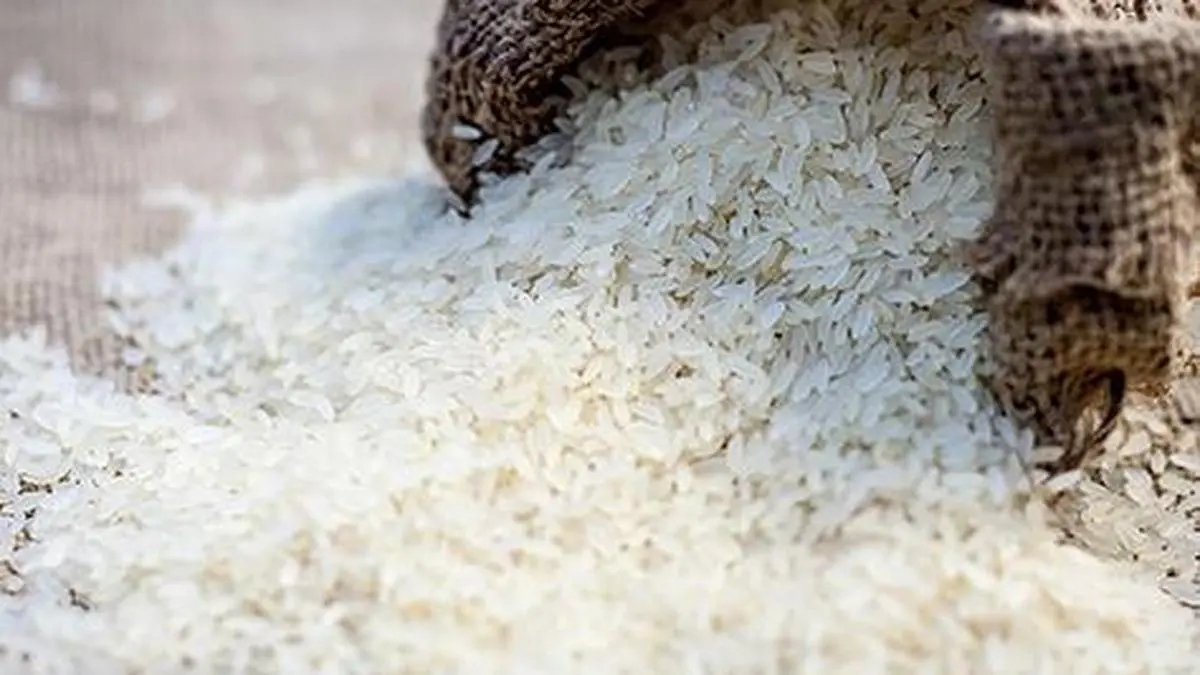
Simultaneously, India’s domestic grain management is hitting new benchmarks. Rice procurement for national buffer stocks has reached 50 million tonnes, providing the government with significant leverage to manage food security and domestic price stability. Meanwhile, wheat procurement efforts accelerated significantly over the past week, signaling a robust harvesting season and a strong intent by the state to secure internal supply chains.
These developments in India, one of the world's largest agricultural producers, are highly relevant to global commodity trends. Large-scale government intervention in procurement can impact international trade balances and market sentiment, particularly for cereal crops. As India consolidates its reserves, global export markets may experience shifting demand patterns, which directly influences price volatility for European producers and exporters.
While the direct impact of India's herbicide ban is localized, it reflects an intensifying global trend toward sustainable farming practices and the phasing out of hazardous inputs. European agronomists have already adapted to similar restrictions under stricter EU regulations, but this move in India could potentially alter the competitive landscape for non-EU produce in international markets that may follow suit in restricting chemical usage.
Context for farmers: While India's domestic stockpiling primarily aims at internal food security, the sheer volume of 50 million tonnes of rice suggests significant supply control that could mute inflationary pressures on global cereal markets in the short term. Farmers should monitor how these large-scale government procurement programs influence international export volumes and subsequent price trends for wheat and rice derivatives.
— agronom.work editorial team