
Tyson Foods Plant Closure Highlights Volatility in Livestock Processing
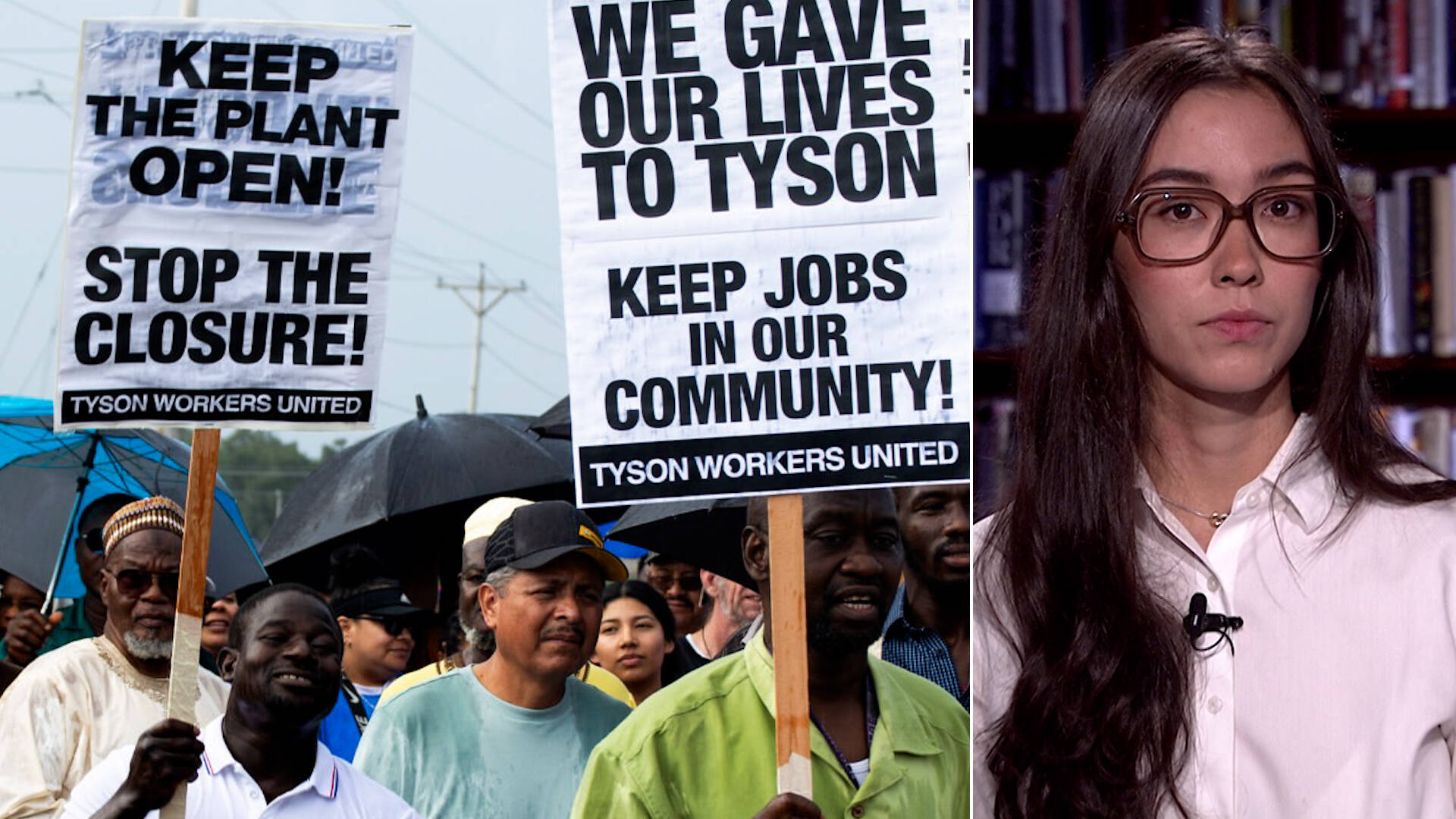
Tyson Foods recently shuttered its beef processing facility in Joslin, Illinois, resulting in the abrupt layoff of over 2,500 workers. The company cited a historic shortage of cattle as the primary driver behind this decision, marking a significant contraction in their North American processing capacity. For farmers and market analysts, this move underscores the extreme sensitivity of the meat supply chain to shifts in herd sizes.
For producers, a reduction in processing capacity often leads to localized bottlenecks. When large facilities close, the remaining plants face increased volume, which can create leverage for processors to lower prices paid to ranchers. This cycle of consolidation often leaves smaller cattle operations with fewer options for selling their stock at competitive market rates, potentially depressing farm-gate prices.
The current situation in the U.S. beef market is influenced by long-term drought conditions and rising feed costs, which have prompted many farmers to liquidate herds prematurely. As breeding stock numbers hit multi-year lows, companies like Tyson are forced to adjust their industrial footprint to match the reduced supply, prioritizing efficiency over geographic reach.
European farmers should view this as a cautionary tale regarding the fragility of centralized processing models. In many EU regions, the push for more localized, smaller-scale abattoirs is often debated as a way to mitigate the risks of large-scale plant closures. When a single massive facility dictates the logistics for an entire regional supply chain, the failure of that one link can have cascading effects on local agricultural stability.
Context for farmers: While this event occurred in the U.S., it serves as a reminder to analyze the strength of your local processing partnerships. Monitoring regional processing capacity and diversifying your routes to market can help protect your operation from sudden disruptions in livestock demand.
— agronom.work editorial team