
Severe Drought Cripples Italy's Rice Production
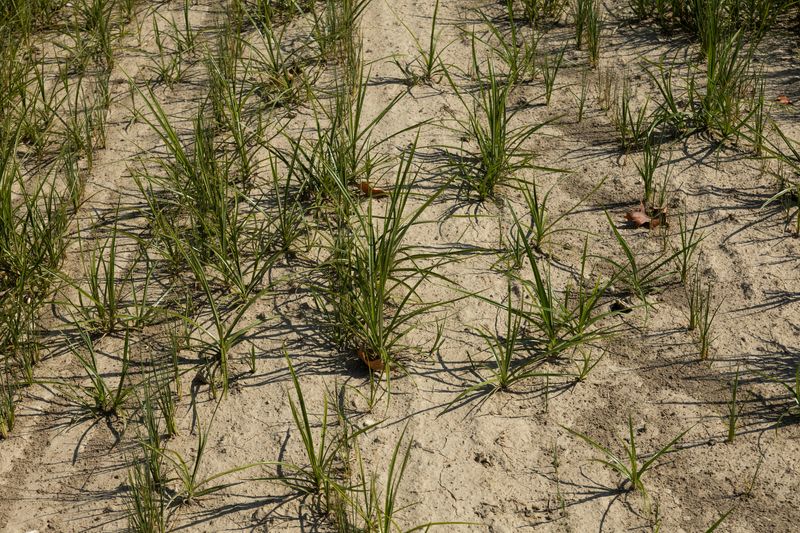
The Po River valley, the heart of Europe’s rice production, is currently enduring its most severe drought in decades. Farmers in Lombardy and Piedmont are witnessing their paddies turn from vibrant green to barren brown as water levels in irrigation canals hit record lows. This crisis is not just a local agricultural struggle; it serves as a warning for cereal producers across the continent regarding the increasing volatility of summer water resources.
For rice farmers, the lack of water is particularly devastating due to the crop’s dependence on continuous flooding. Without the ability to maintain necessary water levels, yields are suffering significantly, with some estates reporting substantial losses in both quality and quantity. The disruption is hitting the production of high-value varieties, such as Carnaroli and Arborio, which are staples for European culinary markets.
Beyond the immediate yield loss, this situation forces a rethink of water management strategies in European cereal farming. The reliance on river-fed irrigation systems is becoming a liability as climate patterns shift. Agronomists are increasingly pointing toward the need for drought-resistant hybrids and more efficient precision irrigation technologies to mitigate the risks posed by such extreme weather events.
The impact will inevitably ripple through the supply chain. Lower domestic output in Italy means higher import dependency for the European market and upward pressure on prices for consumers and processors alike. As input costs remain high, the combination of lower yields and price volatility poses a significant financial risk to rice-dependent farm businesses in the region.
What this means for the market: European farmers should anticipate increased price volatility for rice and a potential shift in market availability, which may incentivize crop diversification in regions prone to water stress. It is crucial for agricultural businesses to evaluate their current irrigation infrastructure and consider adopting water-saving agritech solutions ahead of next season to better buffer against similar climatic risks.
— agronom.work editorial team