
Drought Risks: How Parched Soil Threatens Waterways and Farm Logistics
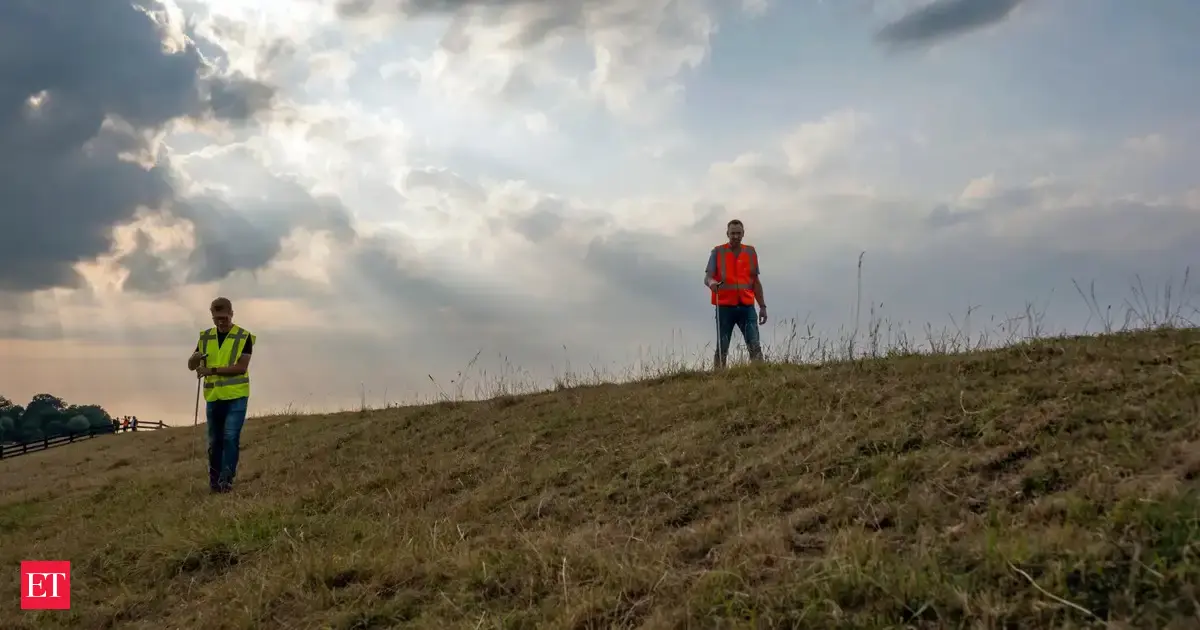
In the Netherlands, water authorities are facing a unique challenge: prolonged dry, hot summers are causing dike structures to crack and dry out. These critical flood defenses, often made of clay, rely on moisture to maintain their structural integrity. When the soil loses its water content, it risks becoming unstable, prompting constant manual inspections by teams searching for fissures or soft spots in the grass cover that could indicate seepage.
For the agricultural sector, the risks extend beyond flood management. Low water levels in the Rhine and Danube—the primary arteries for European inland shipping—are severely limiting the volume of cargo that can be transported. Barges, which typically move bulk commodities like fertilizers, animal feed, and grain, are forced to operate at a fraction of their capacity to avoid grounding, leading to significant logistical bottlenecks.
These transport constraints inevitably trigger a rise in freight costs, which are quickly passed down to the farm level. As input prices for fertilizers and fuel rise due to supply chain delays, farmers are forced to navigate higher operational overheads. Furthermore, the reliance on river water for crop irrigation is increasingly restricted by authorities to maintain minimum levels for barge navigation, putting specialty crops in high-value agricultural regions at risk of yield reduction.
Climate models suggest that these "low-water" summers are becoming the new norm in Central and Western Europe. For farmers and agronomists, this means that the reliability of waterway logistics can no longer be taken for granted. Supply chains that previously operated on just-in-time delivery models for inputs like lime, specialized fertilizers, or equipment parts are now prone to seasonal disruptions that can last for months.
Context for farmers: To mitigate the impact of disrupted logistics and water access, farm businesses should consider diversifying input suppliers and increasing on-farm storage capacity for critical supplies. Monitoring regional water management bulletins is now just as essential as tracking weather forecasts, as irrigation bans can be implemented on short notice to protect river depth for transport.
— agronom.work editorial team