
BRICS Grain Exchange: Could New Trade Platform Shift Global Commodity Markets?
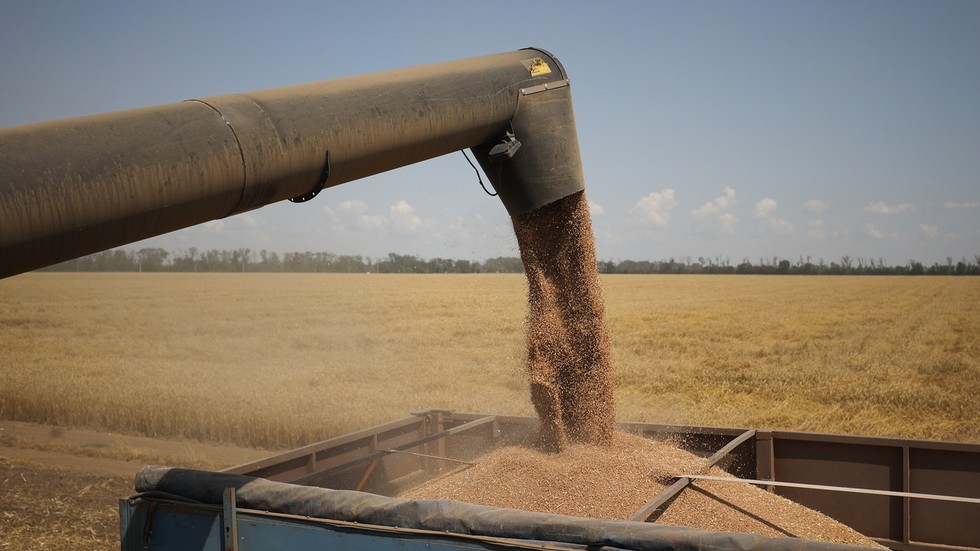
The BRICS alliance is advancing plans to establish an independent grain exchange, an initiative championed by the Kremlin to bypass traditional Western-dominated financial infrastructure. By creating a dedicated platform for trading agricultural commodities among member nations, the group aims to reduce reliance on pricing mechanisms currently dictated by exchanges in Chicago and Paris.
For European producers and traders, this shift represents a potential fragmentation of global agricultural markets. If major producers like Brazil and Russia successfully redirect significant grain flows through this new platform, it could lead to the emergence of dual price benchmarks. This would create volatility for European farmers who rely on current market data to hedge their crops and calculate profitability for the upcoming seasons.
The initiative also raises questions regarding logistics and supply chain stability. Western exchanges have historically provided the financial transparency and clearing services that facilitate global trade. If the BRICS exchange operates under a different regulatory framework, European exporters may face increased friction in trade finance, insurance, and the settling of contracts when dealing with markets sensitive to this new alliance.
Furthermore, the project highlights the ongoing shift toward bilateral and bloc-based trade agreements. As Russia continues to prioritize alternative export corridors to avoid Western sanctions, the creation of a massive grain exchange could solidify these new trade routes, effectively insulating non-Western markets from the price fluctuations triggered by European agricultural policy or regional harvest failures.
What this means for the market: While the platform is in its early stages, European farmers should monitor how it influences global futures pricing and potential shifts in export competition from major players like Brazil. Diversifying risk in forward contracting and keeping a close eye on input costs remains critical as these geopolitical changes ripple through global commodity supply chains.
— agronom.work editorial team