
Zoomlion Reveals 1,600-HP 9DX Hybrid Tractor for Ultra-Large Farms
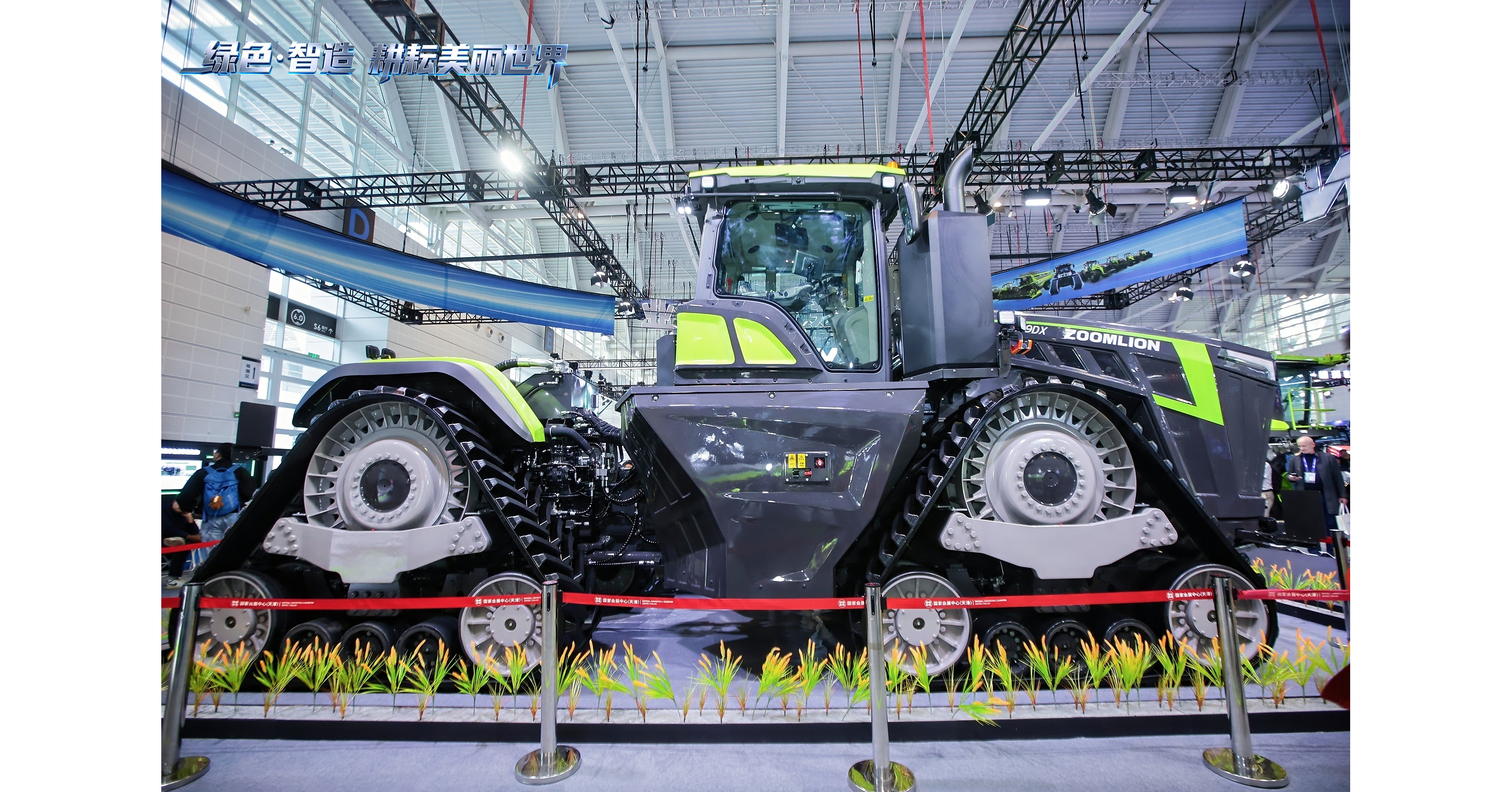
Global agricultural machinery manufacturing is pushing further into the ultra-heavy category as major equipment makers seek efficiency gains for massive land holdings. Chinese manufacturer Zoomlion Heavy Industry Science & Technology has officially introduced its 9DX hybrid tractor at the China International Agricultural Machinery Exhibition, grabbing attention with a staggering peak output of 1,600 horsepower.
Designed specifically for ultra-large-scale farming operations, this colossal machine relies on a sophisticated hybrid power architecture. By combining high-capacity internal combustion engines with electric drive assist, the 9DX aims to deliver the immense traction required for deep tillage and heavy primary cultivation across vast contiguous fields without experiencing the torque drop typical of conventional diesel setups.
For European agronomists and large farm managers, the unveiling highlights a growing divergence in machinery design. While European machinery markets currently focus heavily on autonomous implement control, soil compaction reduction, and mid-sized alternative fuel tractors complying with strict EU emissions standards, Chinese manufacturers are scaling up brute power for expansive flatland farming models found in Eastern Europe, Central Asia, and the Americas.
Hybrid powertrains in heavy agricultural equipment represent a crucial technological bridge. Unlike fully electric tractors, which currently struggle with the high energy demands of heavy draft work due to battery weight and charging infrastructure limits, hybrid systems offer dynamic load management, recapturing energy during deceleration and delivering bursts of torque when pulling massive multi-row cultivators or seeders.
As global machinery competitors race to redefine high-capacity field work, the adoption curve for such mega-tractors will likely remain limited to corporate mega-farms and agro-holdings managing thousands of hectares. Whether these massive hybrid platforms can adapt to the fragmented fields and stringent regulatory environments of Western and Central Europe remains an open question for farm fleet managers.