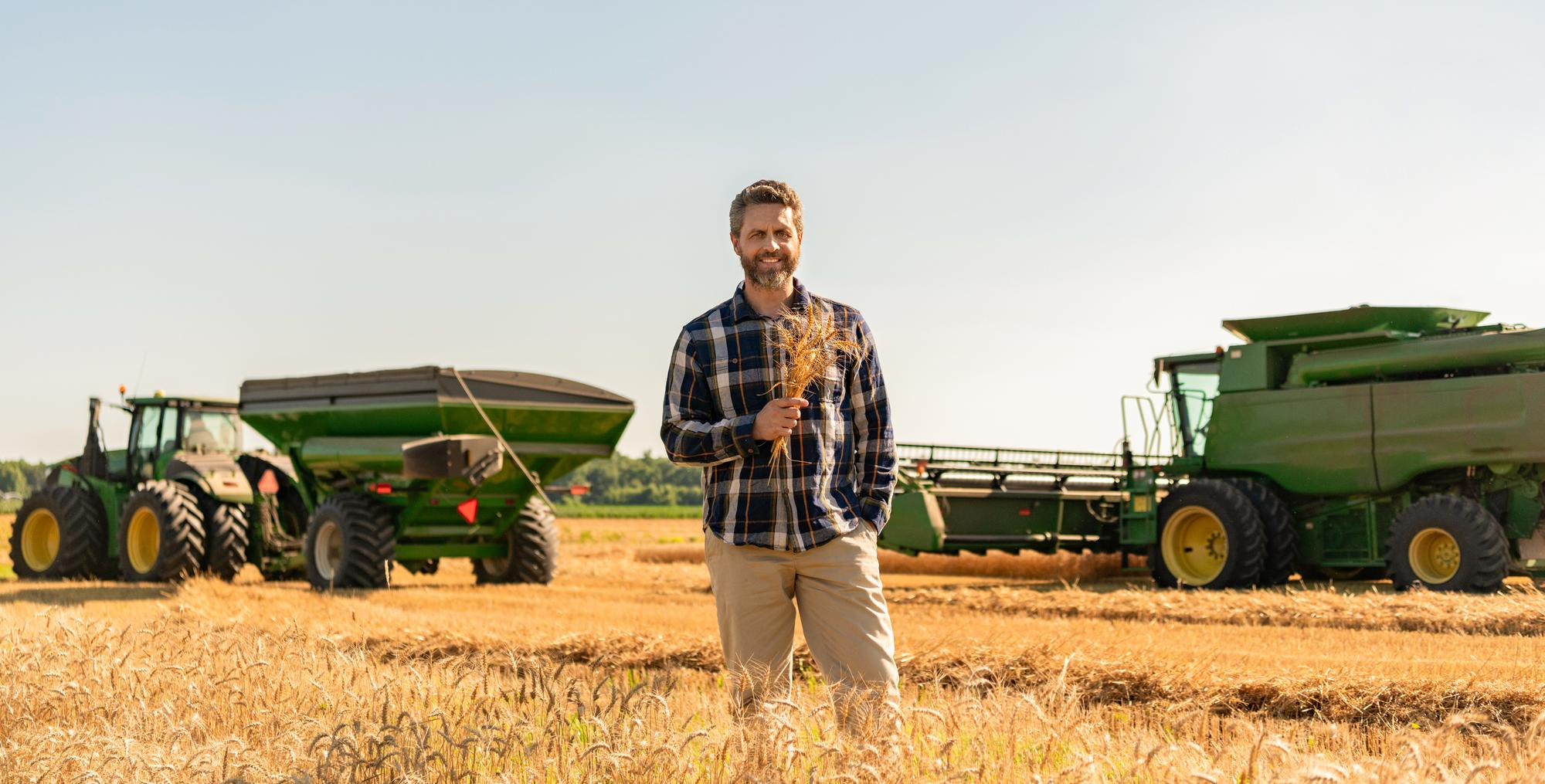
Escalating trade frictions between the US and Canada threaten to disrupt supply chains and shift commodity pricing. Here is what European producers need to know.
UK farmers fear that government-proposed food price caps could squeeze margins further back along the supply chain, shifting the financial burden from retailers to primary producers.
A 45-year study in Brazil shows eucalyptus plantations caused groundwater levels to drop by 4.5 meters. What does this mean for sustainable forest management in Europe?
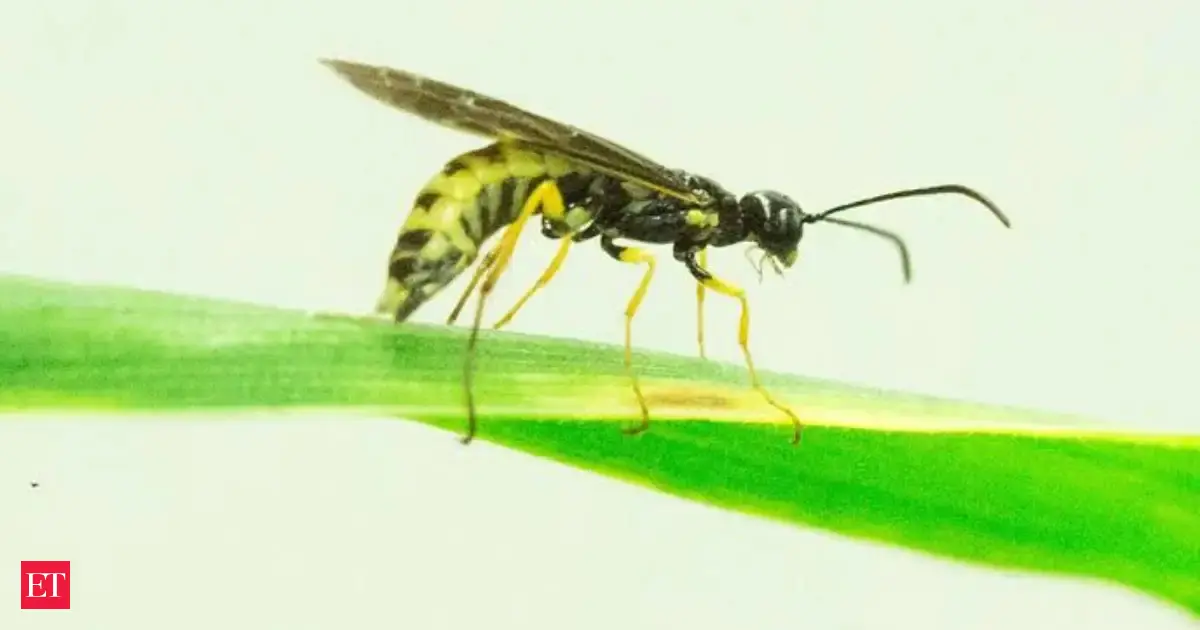
Researchers are finding a low-tech, high-impact solution to combat the wheat stem sawfly by using straw bales as a vessel to distribute beneficial parasitoid wasps.
Europe’s record-breaking summer of heat and floods has shifted from a rare anomaly to an annual expectation. Here is what this means for your farm planning.
The Labour party in New Zealand has abandoned its long-standing commitment to agricultural emission pricing, signaling a major shift in climate policy.
Temperatures nearing 30°C in February are alarming agronomists. We look at how early heat stress impacts wheat, mustard, and gram crops and what it means for global supply.
UN data shows global food prices reaching their highest level since 2022. For European farmers, this means increased input costs, volatile markets, and shifting export dynamics.
A confirmed case of bluetongue virus serotype 3 in Co Wexford serves as a critical warning for European farmers to review biosecurity and vaccination protocols.
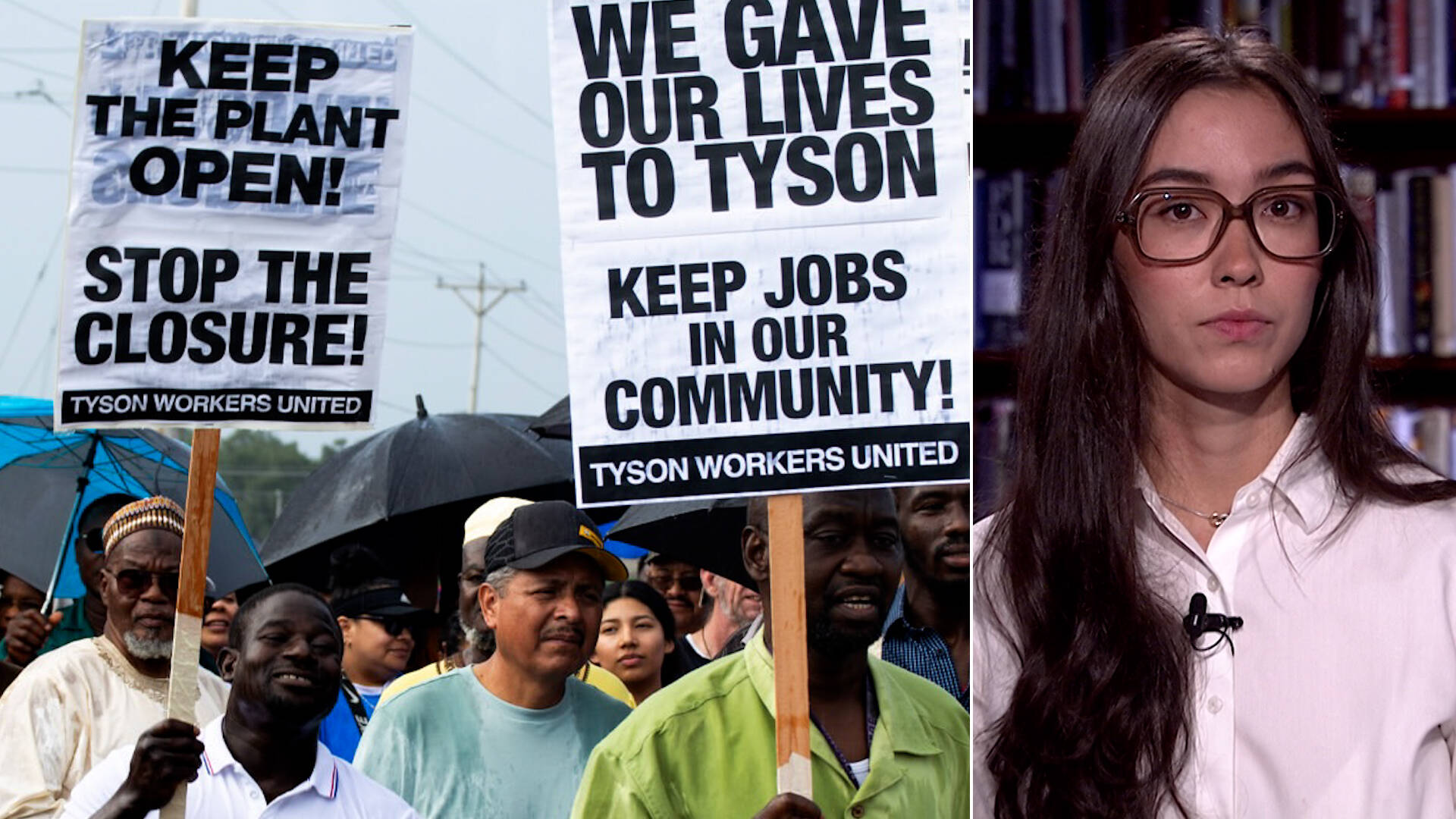
The sudden closure of a major U.S. meatpacking plant due to cattle shortages serves as a stark reminder of the risks associated with supply chain consolidation and livestock inventory fluctuations.
Recent widespread rainfall across Europe offers a reprieve for stressed crops. Here is what agronomists and farmers need to know about the shift in yield expectations.
With France experiencing its hottest summer on record, a fifth heat wave is putting further pressure on agricultural yields and long-term farm viability across Europe.
New EU regulations banning Brazilian animal products starting September 2026 will reshape market dynamics. Here is how it impacts local livestock farmers and price trends.
The UN warns of a powerful El Niño through February 2024, signaling potential climate volatility that could disrupt global commodity prices and agricultural planning.
A new biotechnology startup is leveraging microbe engineering to replace conventional pesticides, promising more targeted crop protection and better soil health.
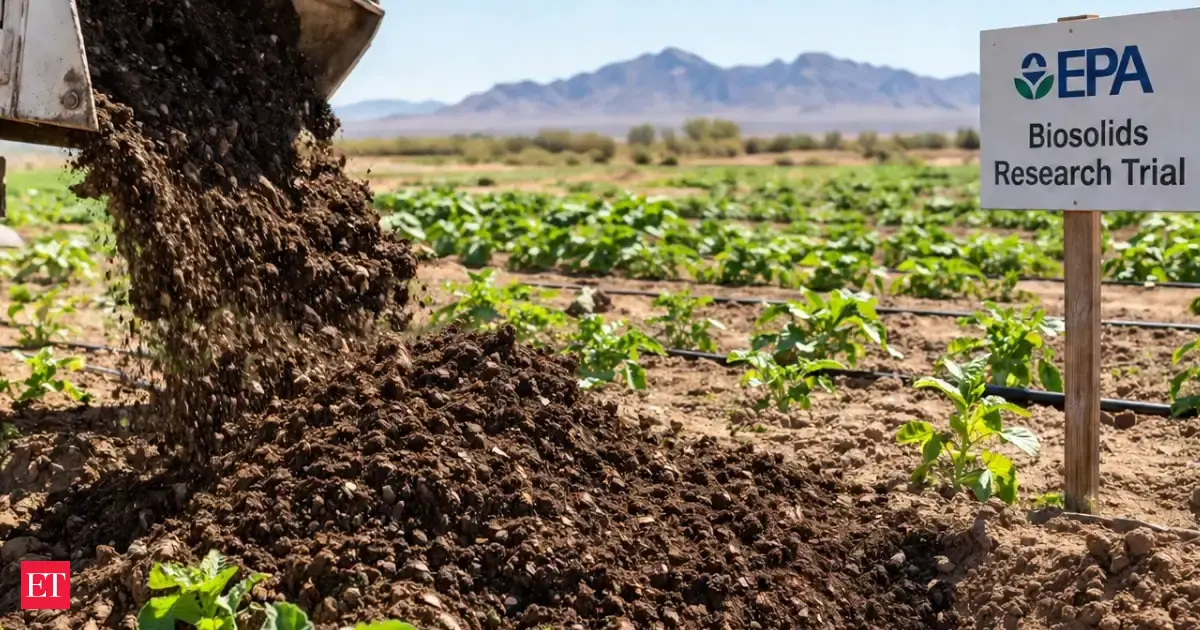
New research from Arizona shows how applying 8 dry tons of biosolids per acre can eliminate the need for supplemental chemical fertilizers within three years.
We use essential cookies for secure login sessions and basic site functionality.