A new Dun & Bradstreet report highlights how El Niño-related monsoon risks could shift grain production, potentially impacting international trade flows and input costs.
A low-cost ultrasonic reactor developed in Scotland could soon allow farmers to synthesize nitrogen fertilizer directly on-site using only air, water, and electricity.
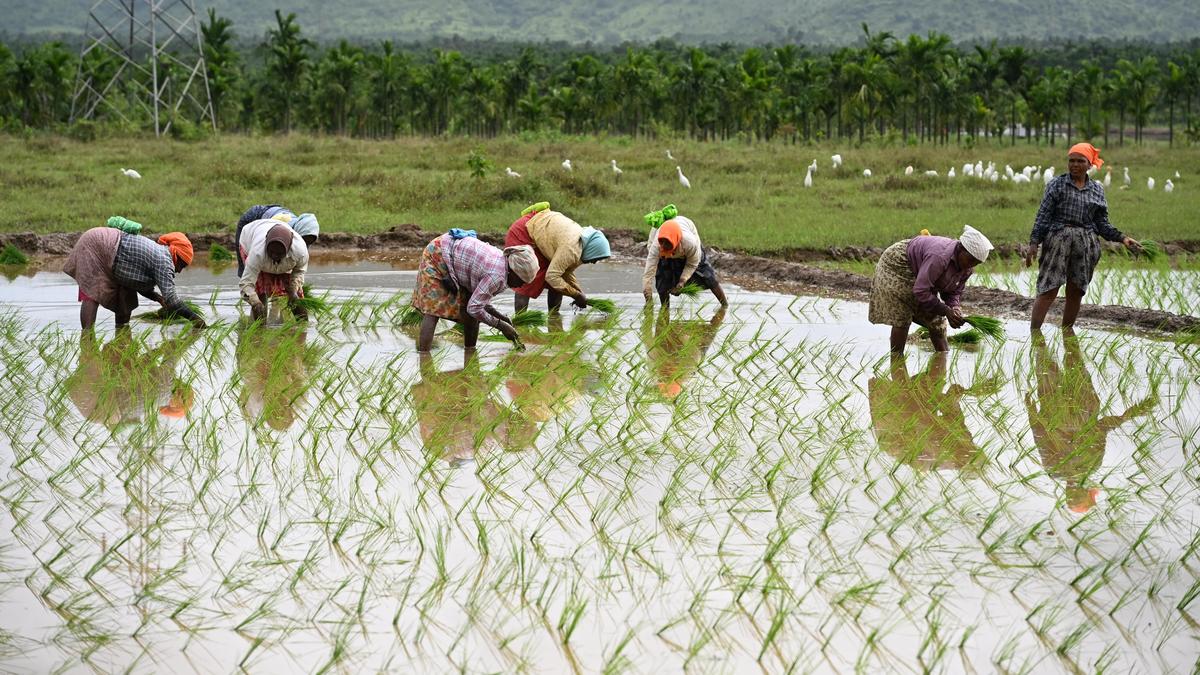
The developing El Nino is projected to be the strongest since the 1950s, threatening global commodity markets, crop yields, and vegetable supply chains.
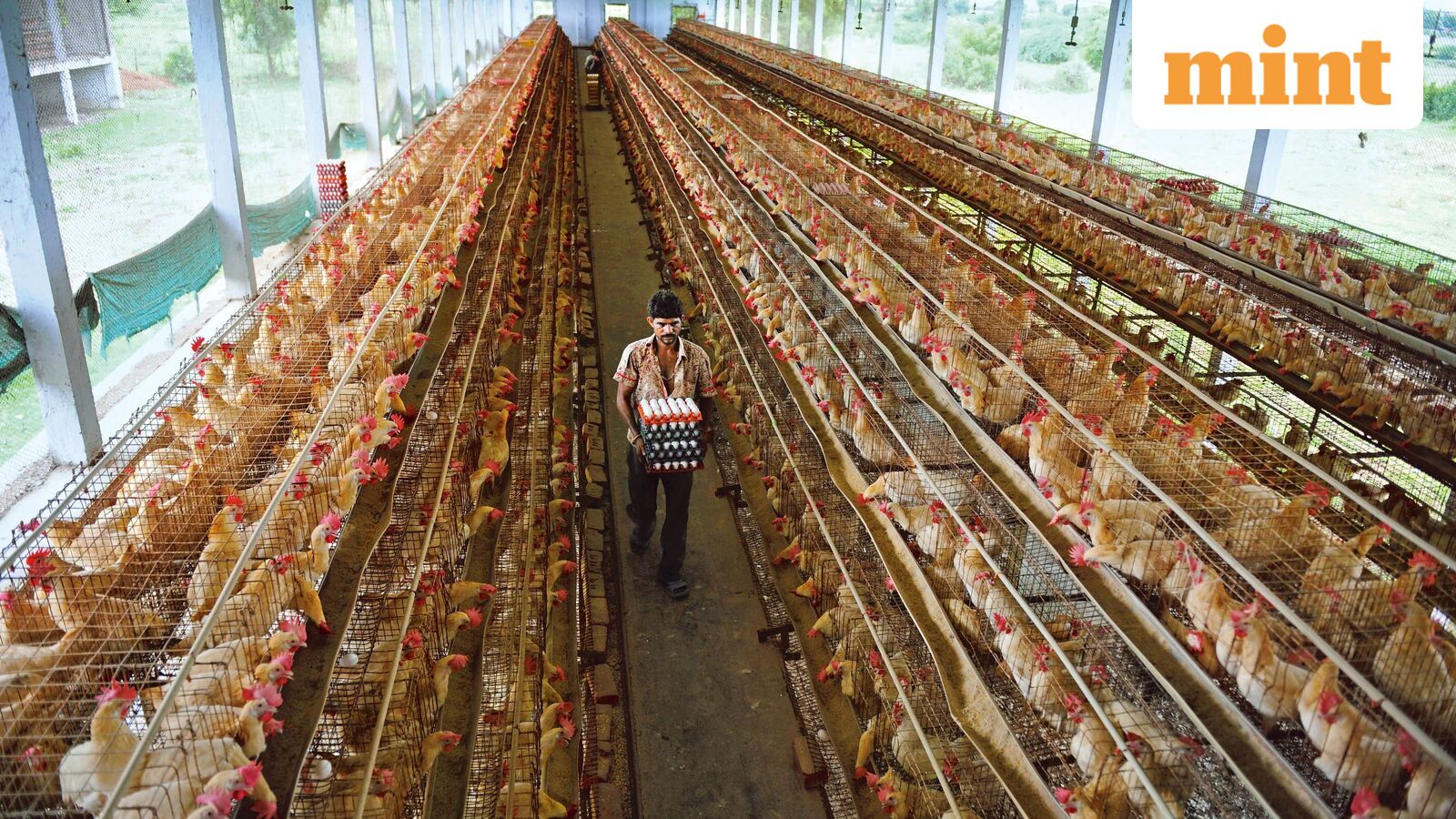
Poultry and livestock producers across Europe face severe margin pressure as persistent drought and high ethanol demand push feed maize costs to historic highs.
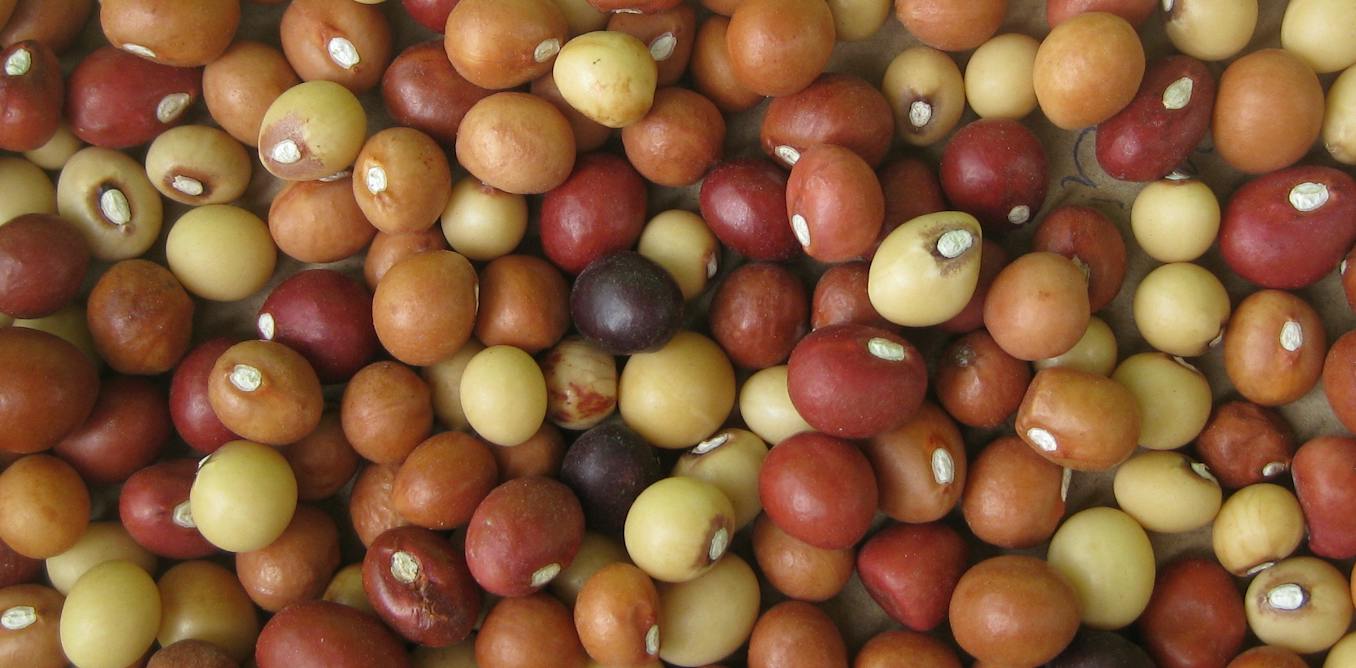
New high-resolution mapping tools using daily weather data help farmers in Eswatini and South Africa optimize planting windows for drought-tolerant bambara groundnut.
A new Irish Council presidency proposal slashes €159B from the EU budget, notably protecting CAP and regional development funds while hitting competitiveness and aid.
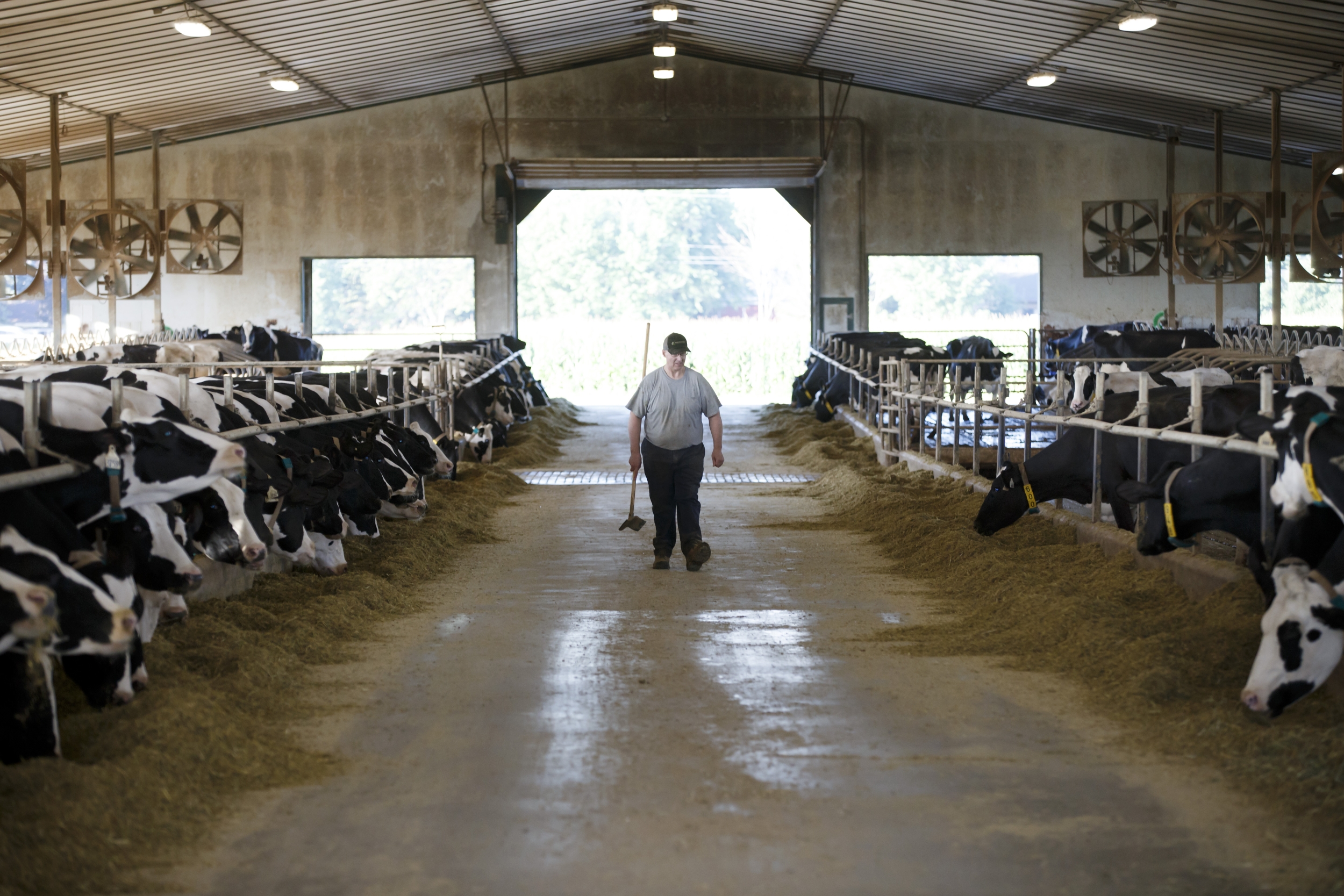
Two Yakima County dairy farms face quarantine after federal tests confirm H5N1 bird flu in cattle, raising biosecurity concerns for livestock operations.
A new Italian study on acetamiprid highlights potential neurotoxicity mechanisms, raising questions for future European pesticide approvals and crop protection strategies.
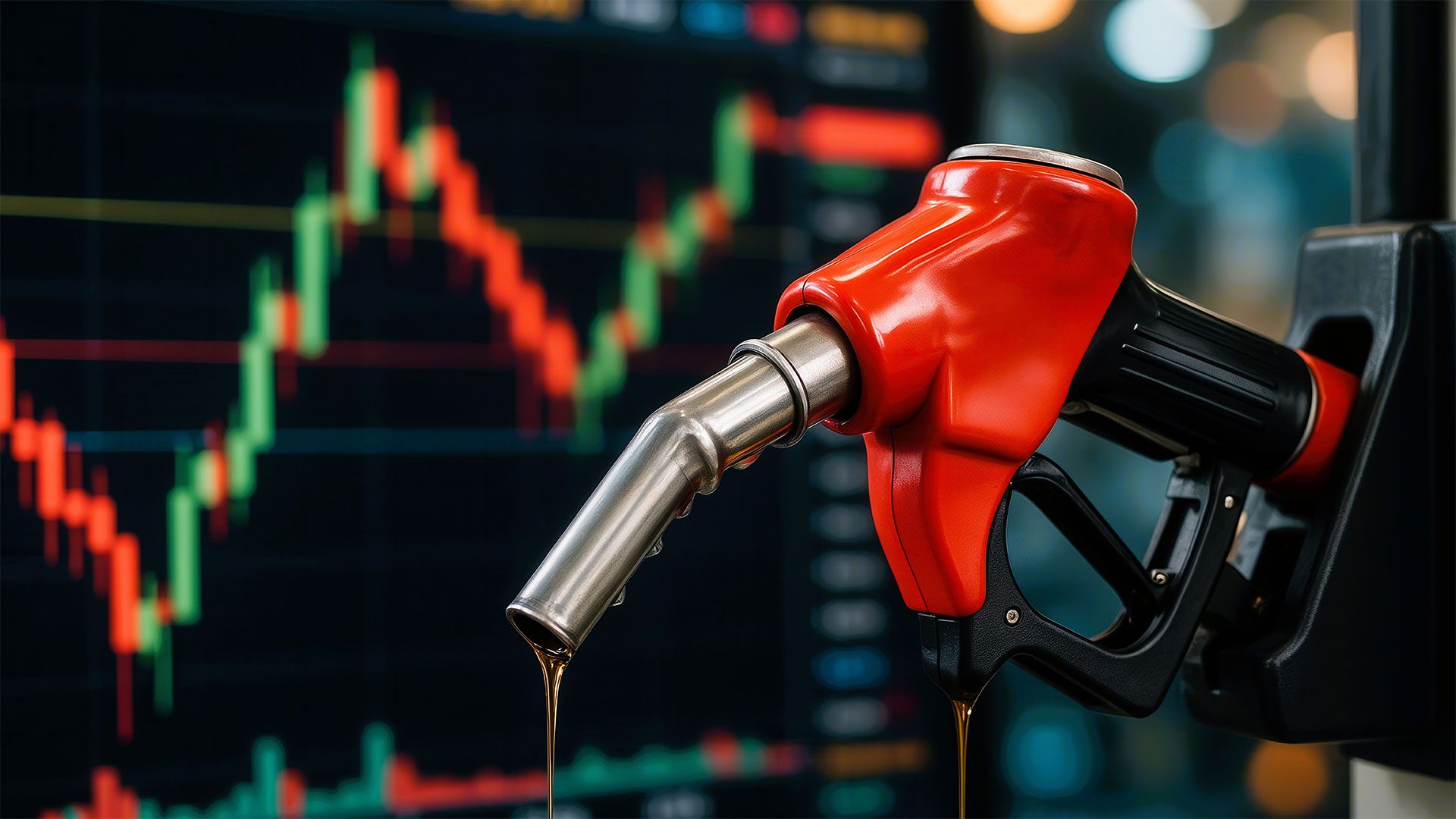
As the G7 considers releasing emergency fuel reserves to combat rising diesel shortages, European farmers face critical cost pressures during peak field operations.
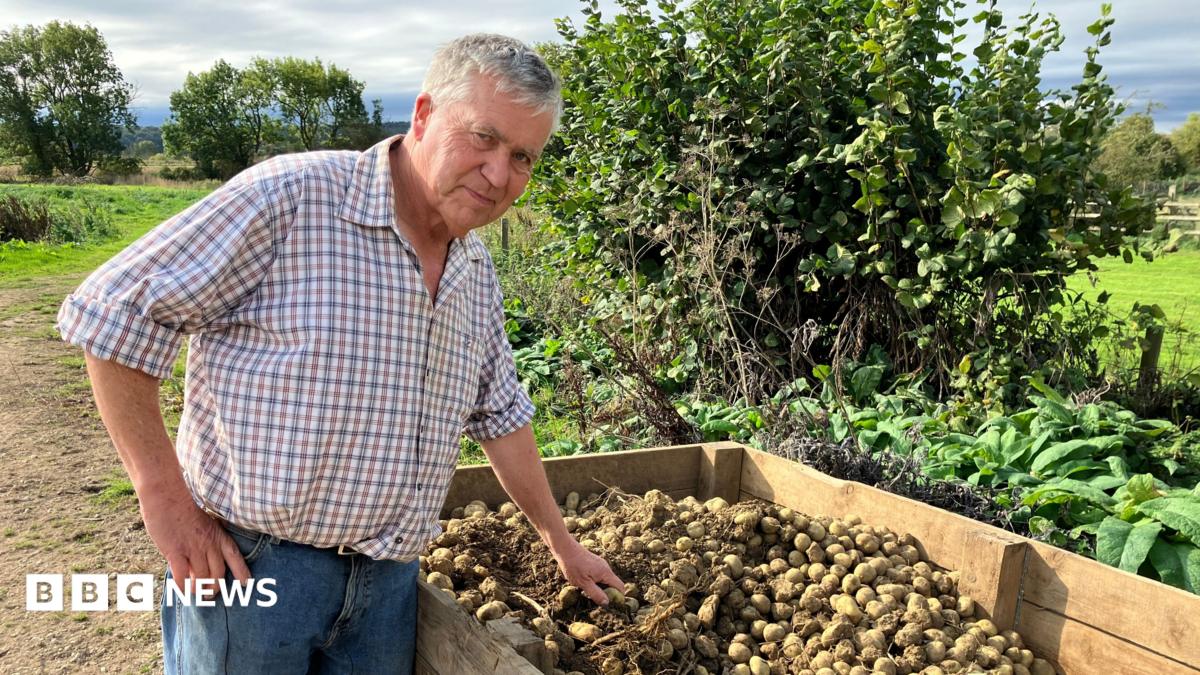
Rising summer temperatures and prolonged dry spells are forcing UK farmers to harvest smaller potatoes early, significantly reducing total crop yields.
As geopolitical tensions in the Middle East drive up global fertilizer costs, agricultural producers are increasingly looking at alternative nutrient management strategies.
Recent drone strikes sink a civilian cargo ship and hit a grain carrier near Bulgaria's exclusive economic zone, escalating risks for Black Sea agricultural logistics.
European farmers face compounding pressures in 2026 as severe drought slashes wheat harvests and inflates dairy operational costs, forcing a rapid shift toward climate-resilient practices.
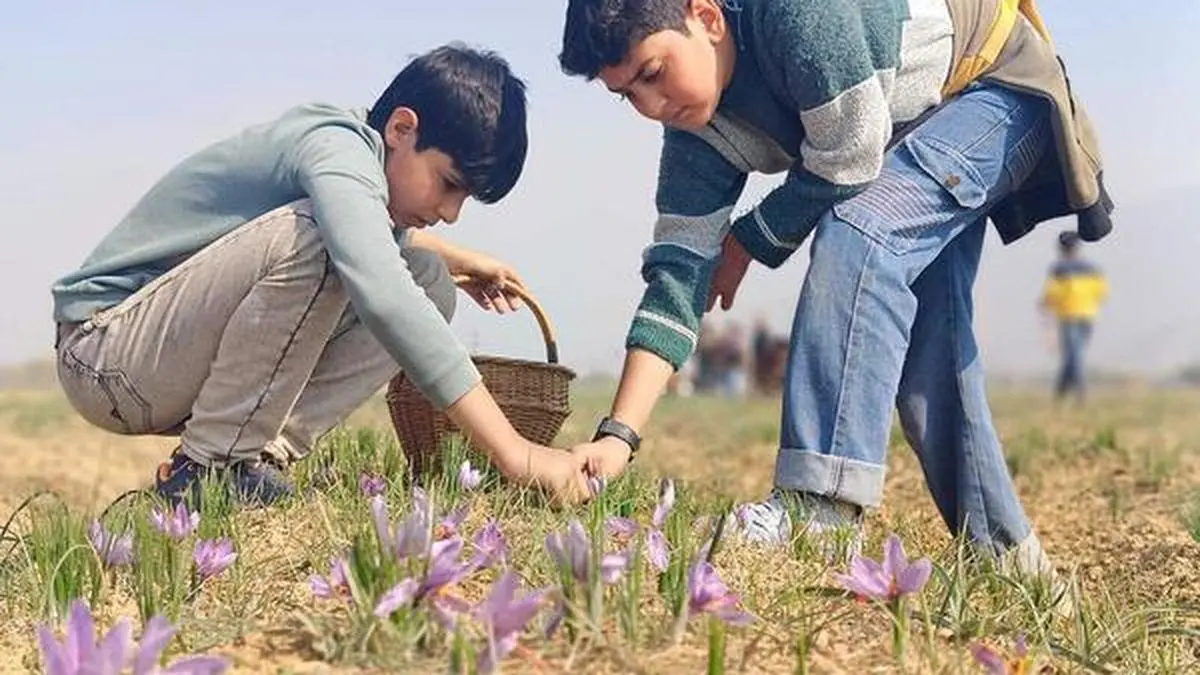
Kashmir's iconic saffron production faces severe risks from prolonged droughts and rising temperatures, threatening corm health and local farm incomes.
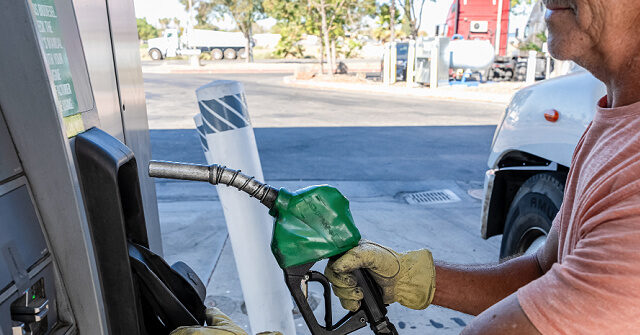
A newly signed executive order temporarily permits red-dyed off-road diesel on public highways and postpones federal excise tax payments through 2026, aiming to ease agricultural fuel expenses.
We use essential cookies for secure login sessions and basic site functionality.