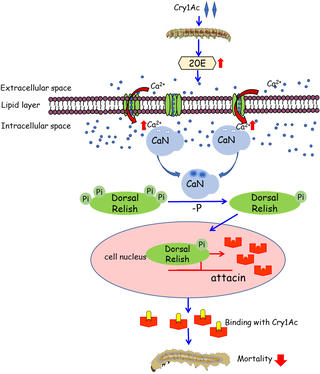
A study reveals how Helicoverpa armigera pests develop resistance to Bt toxins, posing potential long-term challenges for integrated pest management in European fields.
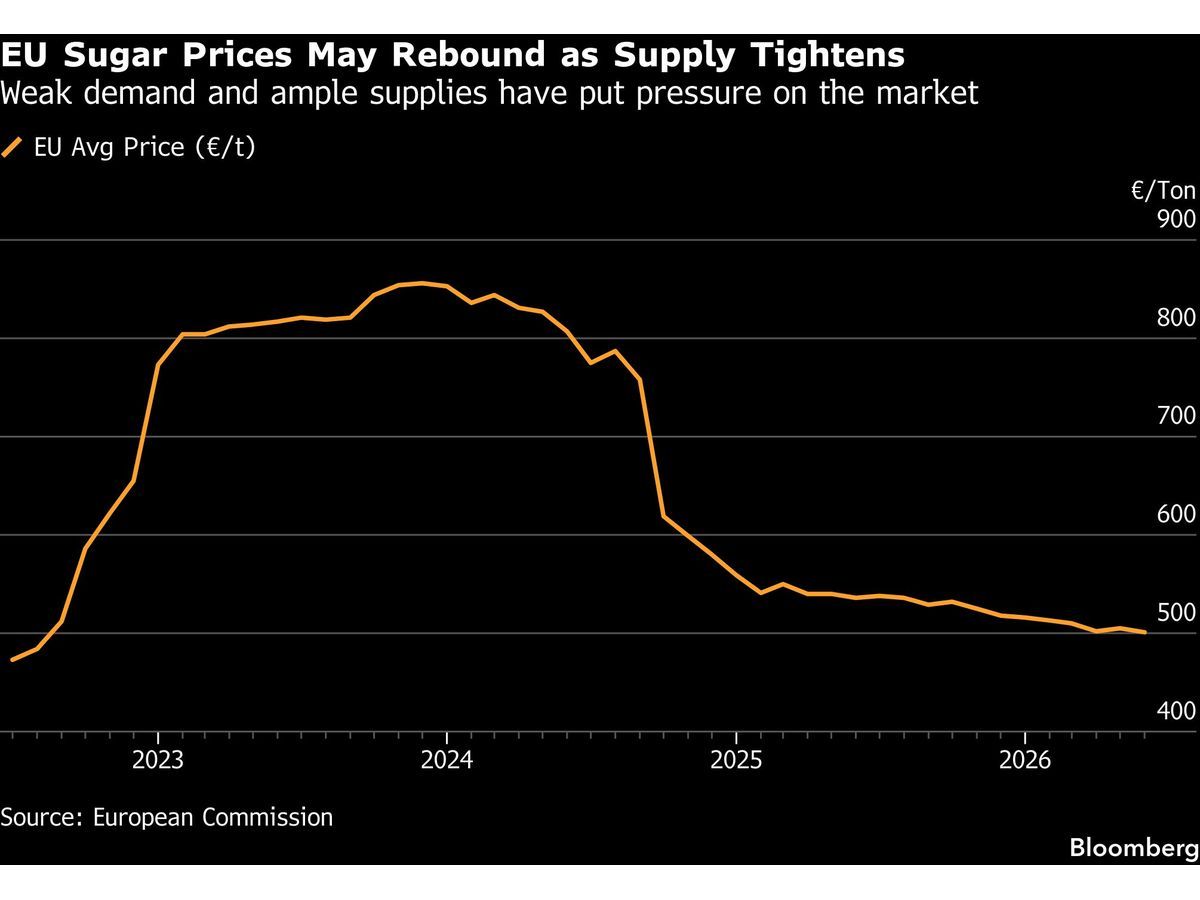
Severe weather conditions are driving European sugar production to a 10-year low, signaling potential supply chain shifts and price volatility for growers and processors.
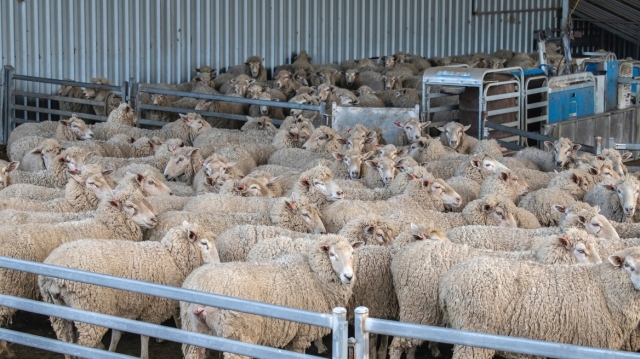
The Greek government has approved a major compensation package for sheep and goat farmers impacted by mandatory culling and containment measures during the first half of 2026.
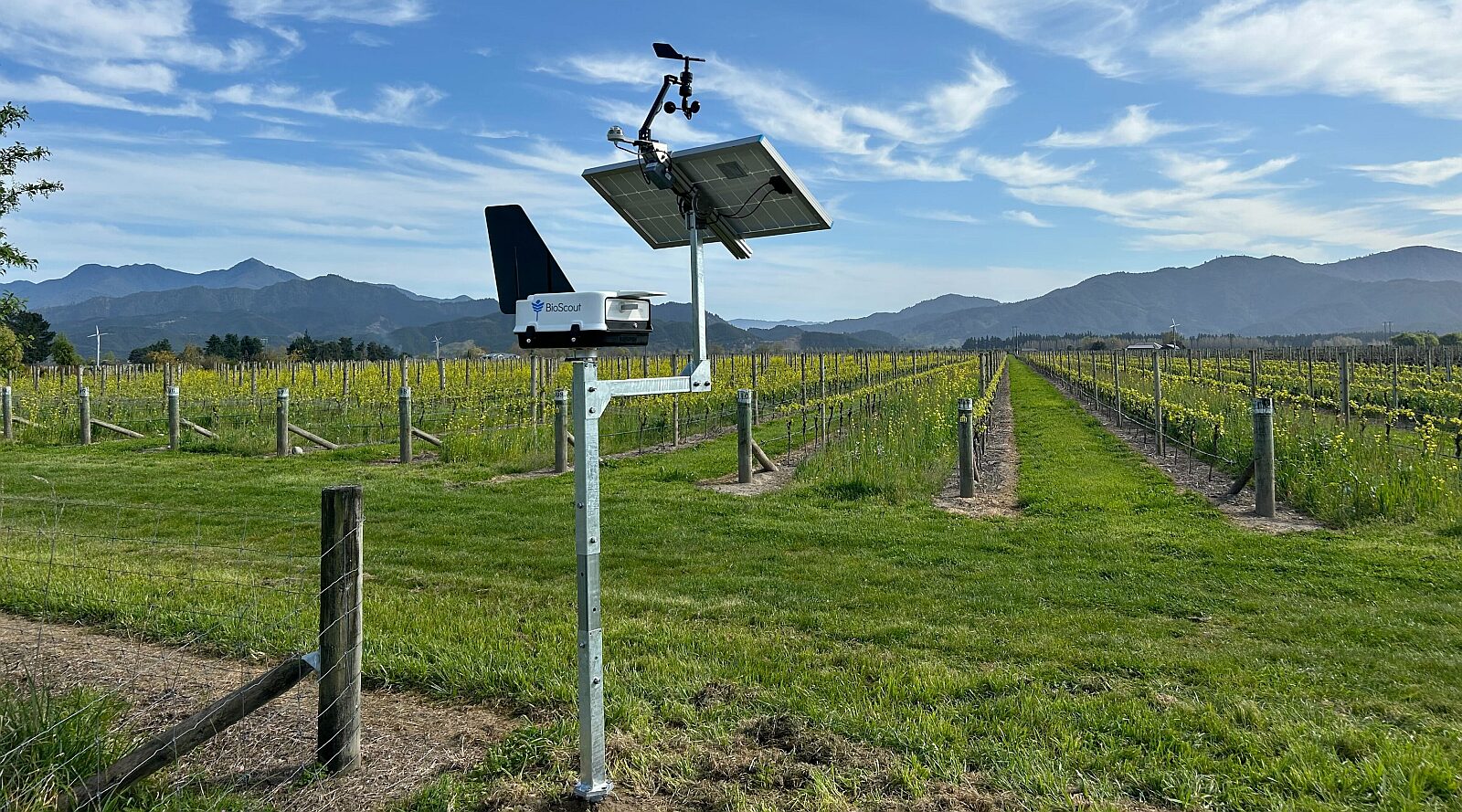
AI-powered spore detection could shift European crop management from calendar-based spraying to data-driven precision, offering potential savings of up to 50% in fungicide costs.
New drone-based research provides precise data on hemp water consumption, helping farmers optimize irrigation and manage resources in a warming climate.
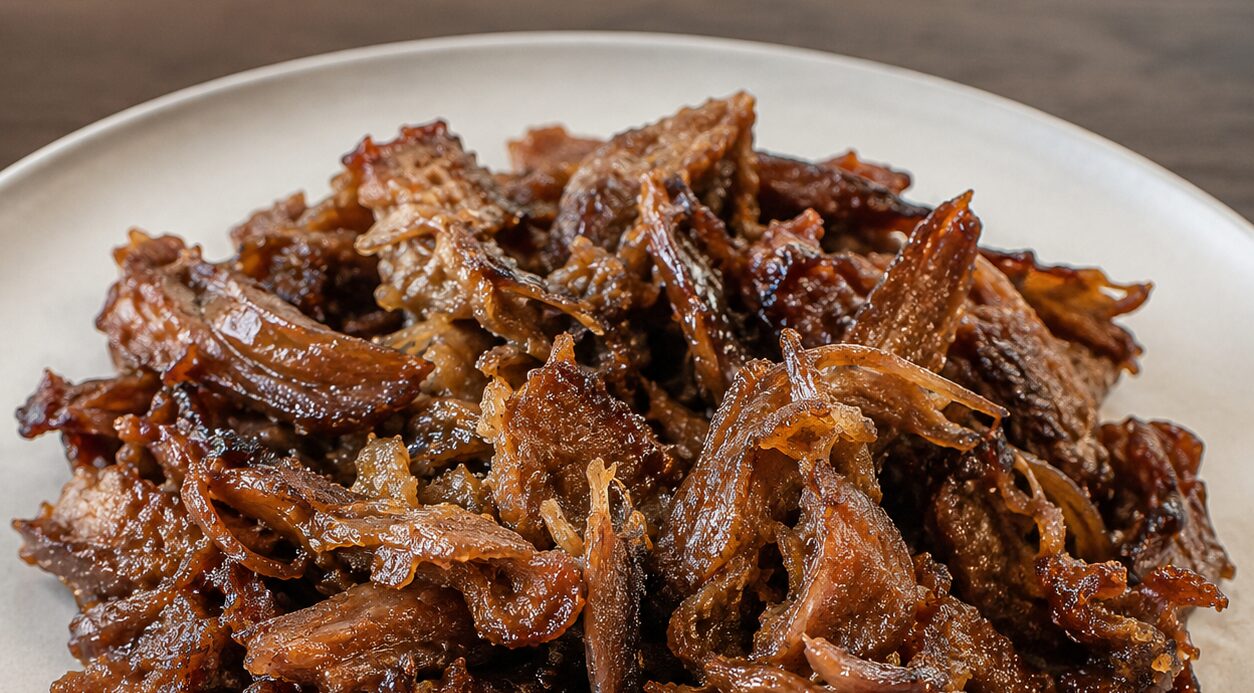
Black Sheep Foods is pivoting to a B2B ingredient model, signaling a shift in how legumes like fava beans could be integrated into the mainstream meat supply chain through 'hybrid' products.
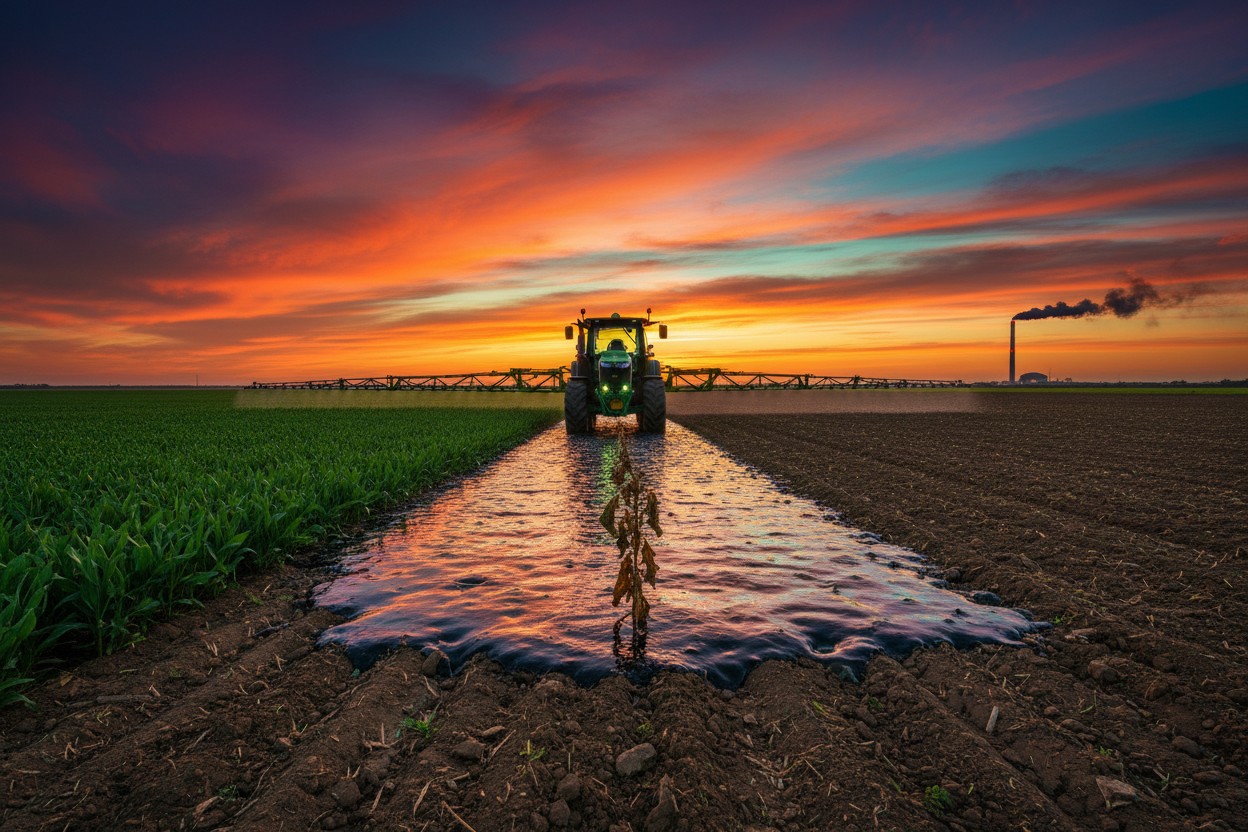
Recent EPA proposals regarding PFAS in sewage sludge spark debate, signaling a shift that could eventually influence global agricultural standards and soil safety protocols.
Heightened security risks in the Black Sea are driving up sunflower oil costs, signaling potential supply chain bottlenecks for European food producers and retailers.
Latest statistics reveal shifts in milk production and pricing in Northern Ireland, offering insights into regional supply trends for the European dairy market.
India has reached a 10-month peak in edible oil imports, signaling a shift in global supply dynamics that could impact rapeseed and sunflower oil prices in Europe.
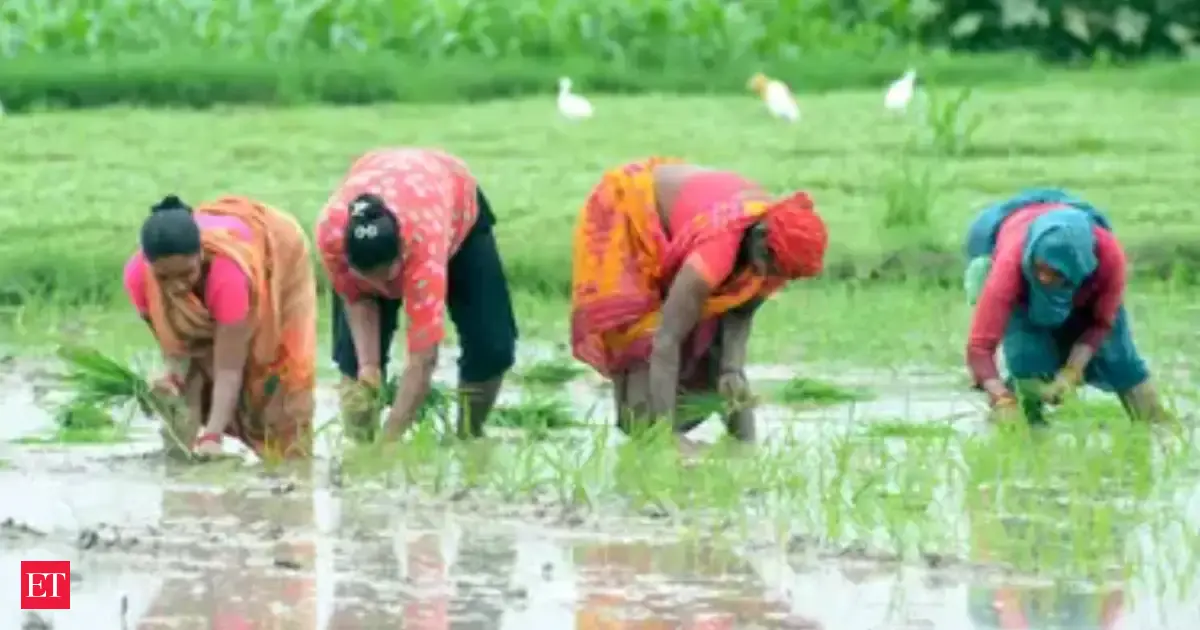
A 3% dip in India's Kharif sowing, particularly in pulses and rice, signals potential shifts in global supply chains and commodity pricing for European agricultural traders.
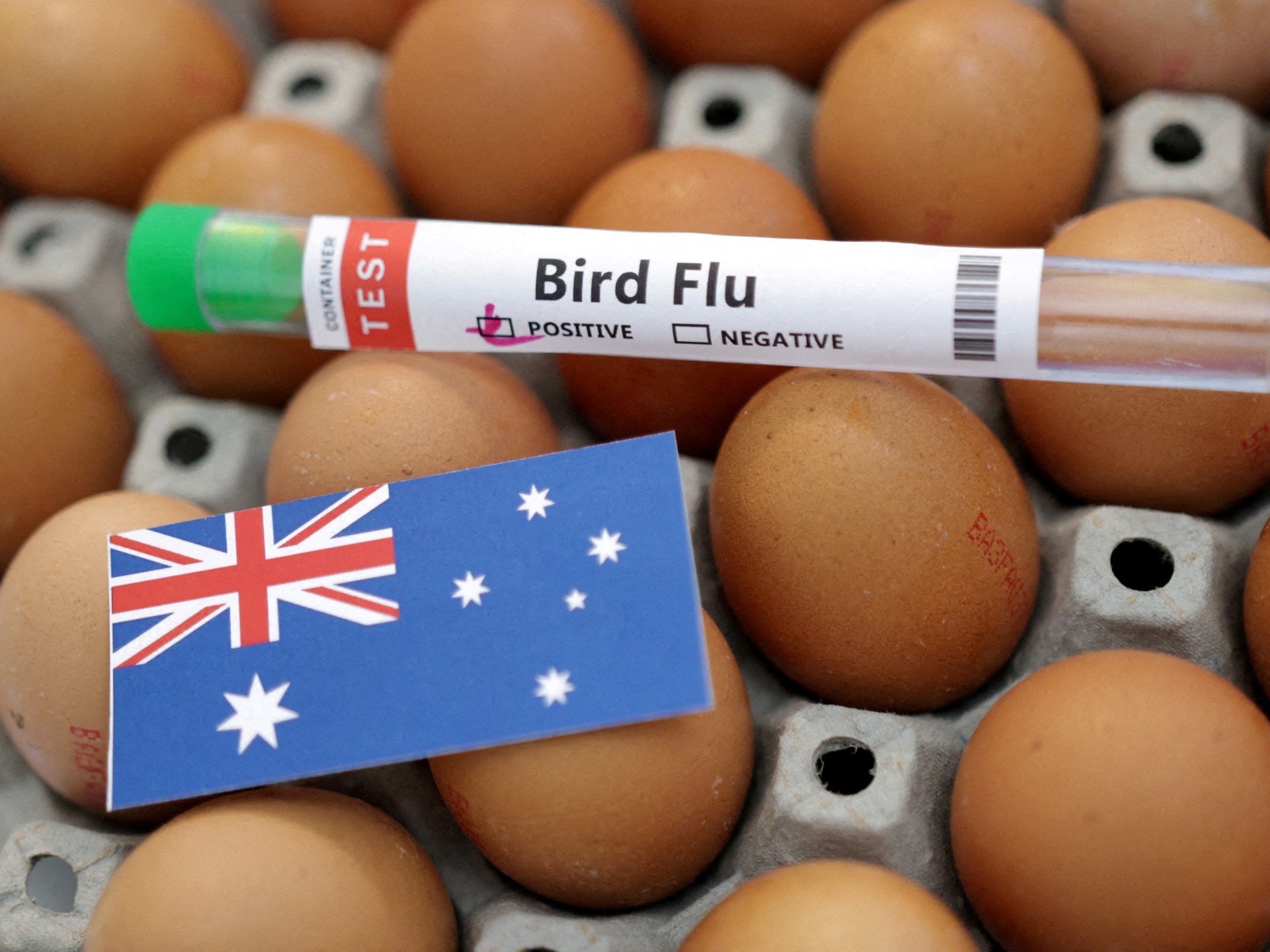
Australia reports its first mass mortality event from H5N1, raising concerns for global biosecurity and the potential for long-distance viral transmission via migratory birds.
Bovine Tuberculosis remains a significant economic and emotional drain on cattle farmers, sparking renewed debates over wildlife management and herd health strategies.
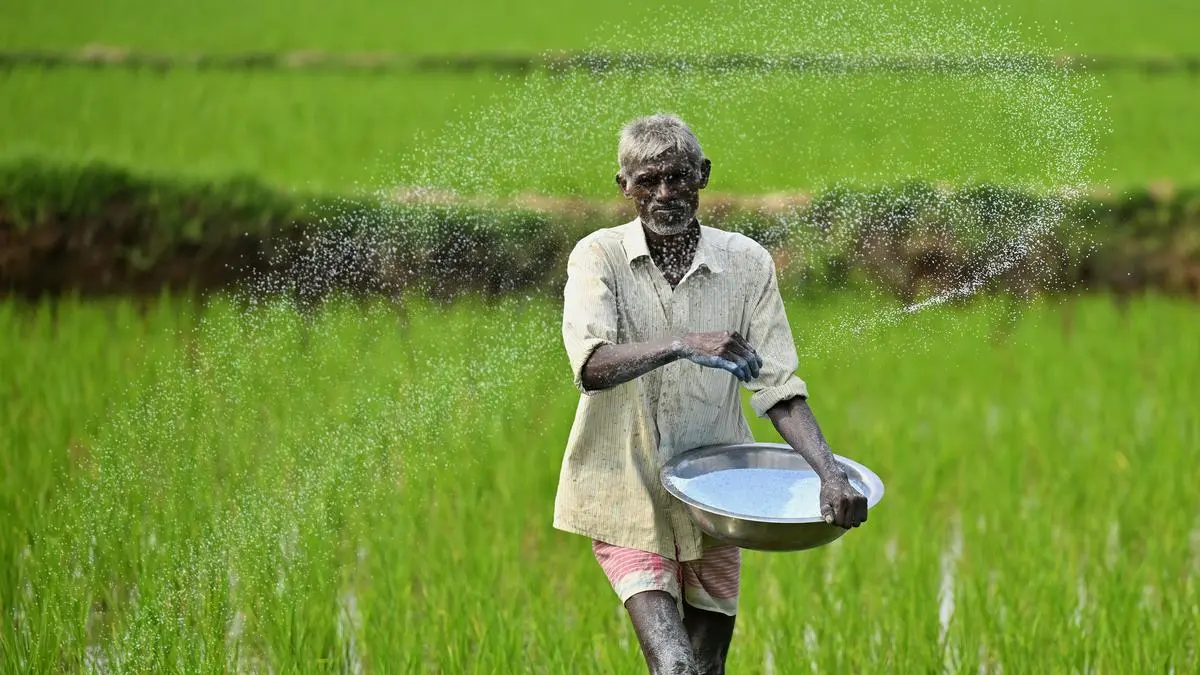
As fertilizer demand rebounds following weather-driven delays, the global focus remains on nitrogen-based inputs. Here is what European growers should watch as seasons shift.
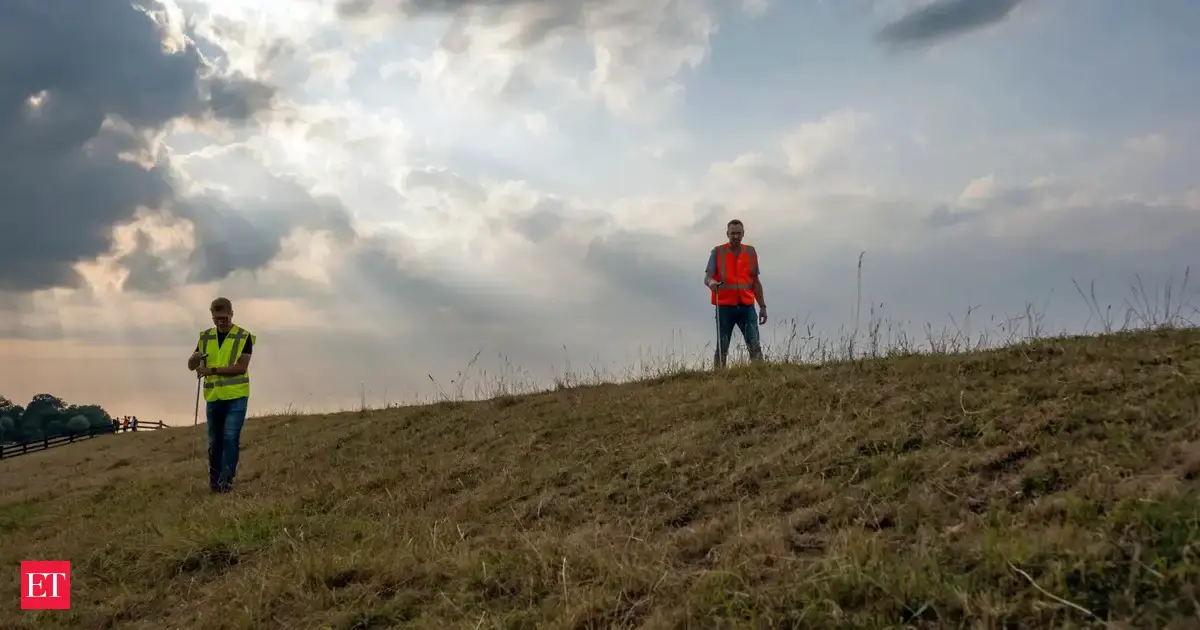
Extreme heat is stressing Dutch dike infrastructure and hindering Rhine and Danube logistics, creating a ripple effect for European agricultural supply chains and irrigation access.
Record-low water levels in the Danube force Hungary to consider a shutdown of its primary power plant, signaling potential instability for the regional energy market and farm operations.
AGI reports a 10% revenue increase in North American farm operations. What does this investment signal for equipment demand and supply chain stability?
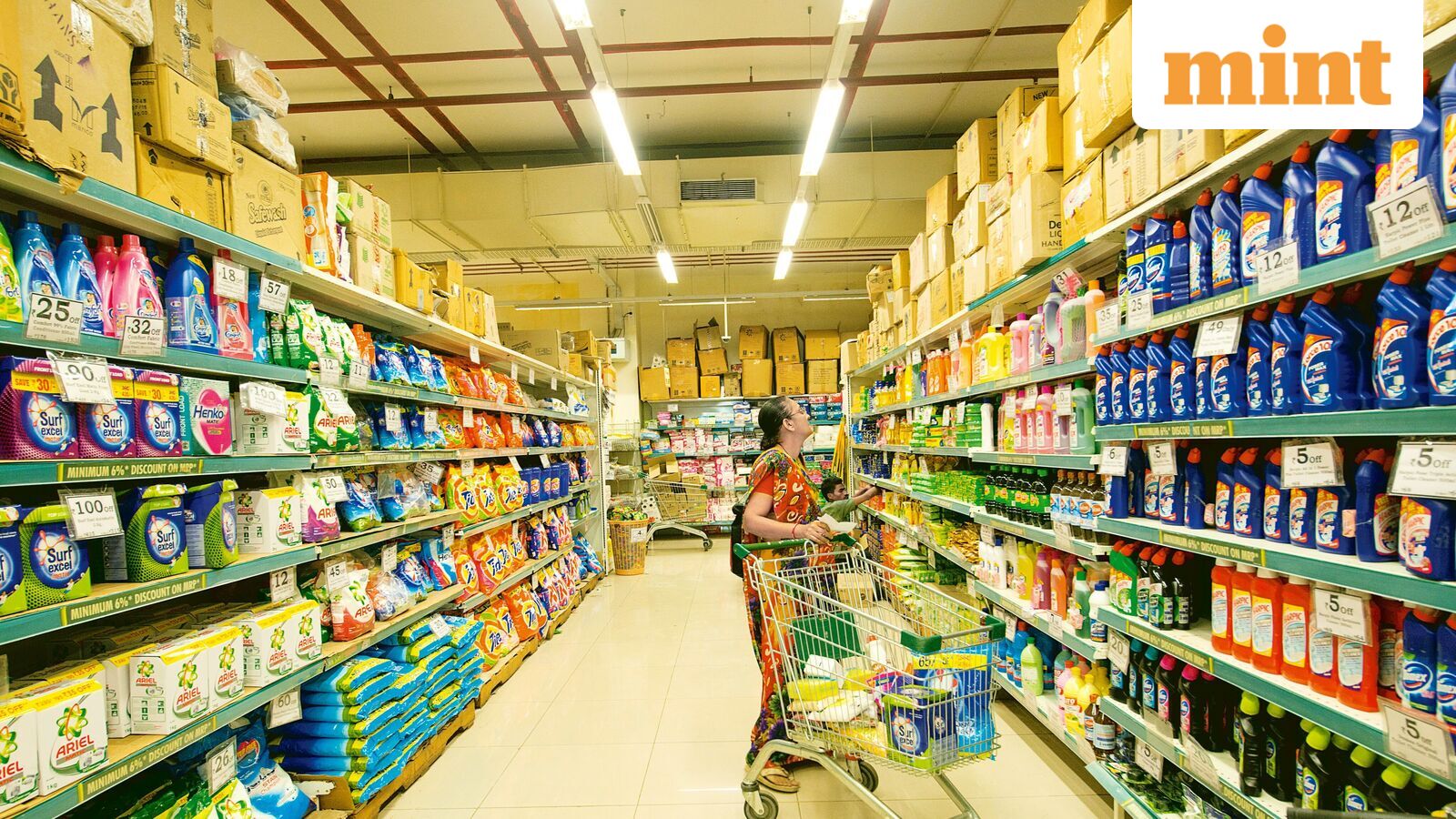
Major Indian consumer firms are raising prices due to geopolitical tensions. For European farmers, this highlights the volatility of global input costs.
We use essential cookies for secure login sessions and basic site functionality.