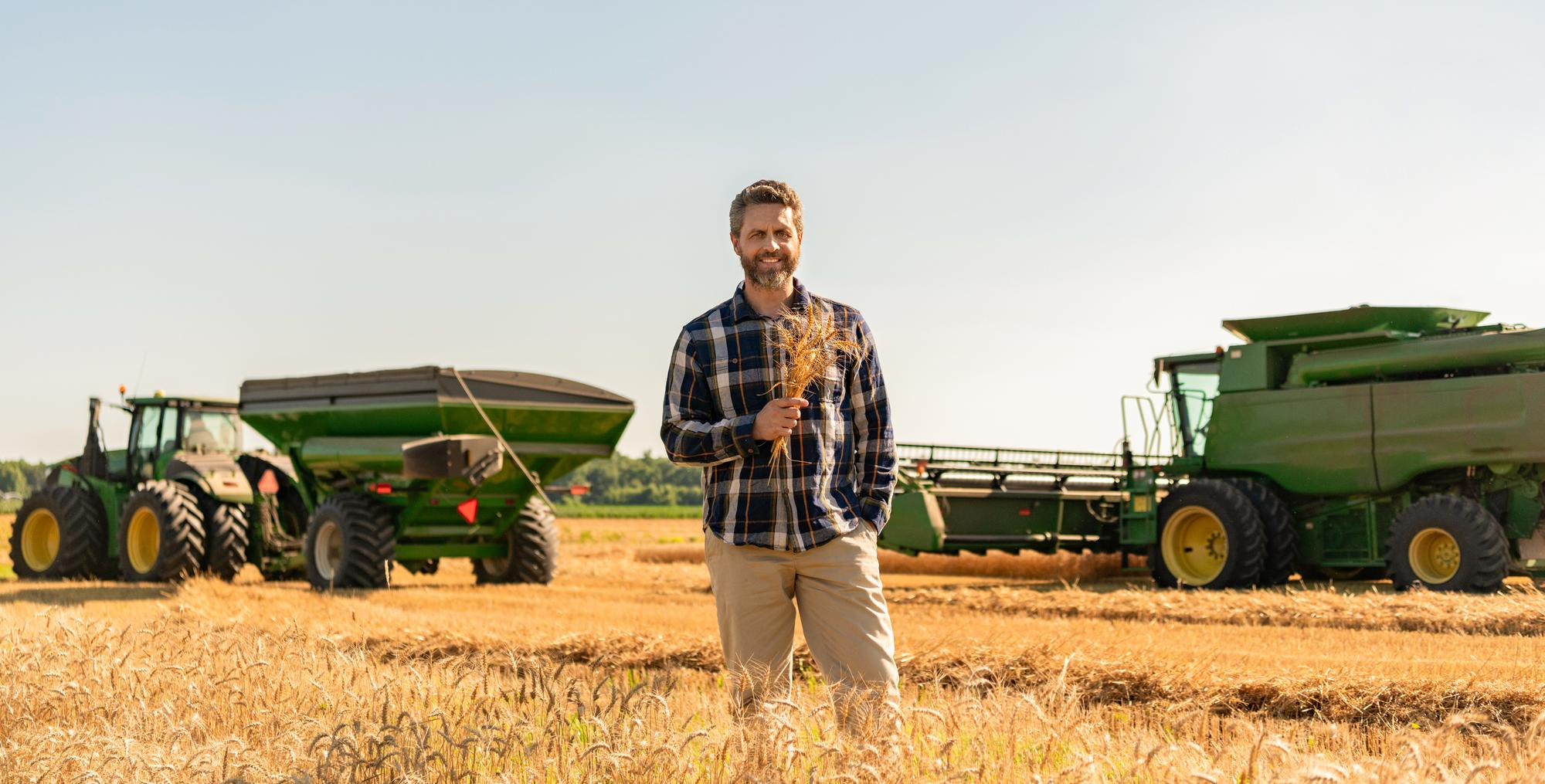
A major overhaul of the agricultural subsidy payment system is set for July, aiming to eliminate fraud while unlocking 61 million euros for fertilizer support.
A historic 16% surge in Arabica coffee prices is rattling markets. We analyze what this commodity volatility means for agricultural supply chains and European trade.
A new research initiative uses farmer-led data collection to predict slug activity, potentially reducing crop loss and pesticide dependence in arable fields.
A recent analysis of legacy neurotoxicity data has sparked new discussions regarding the safety of fluazinam, a common fungicide used in European agriculture.
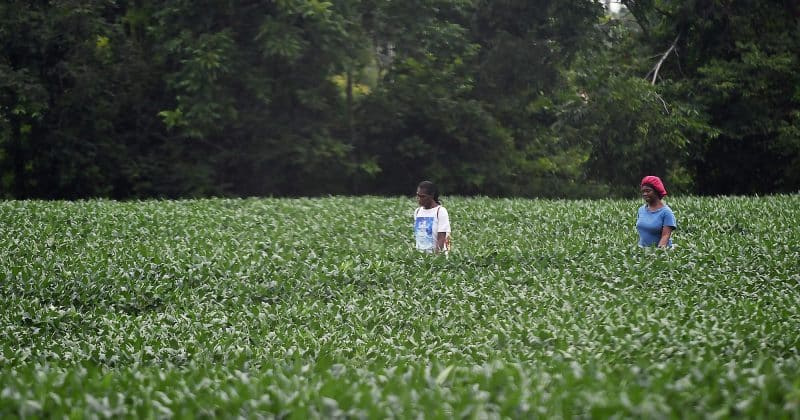
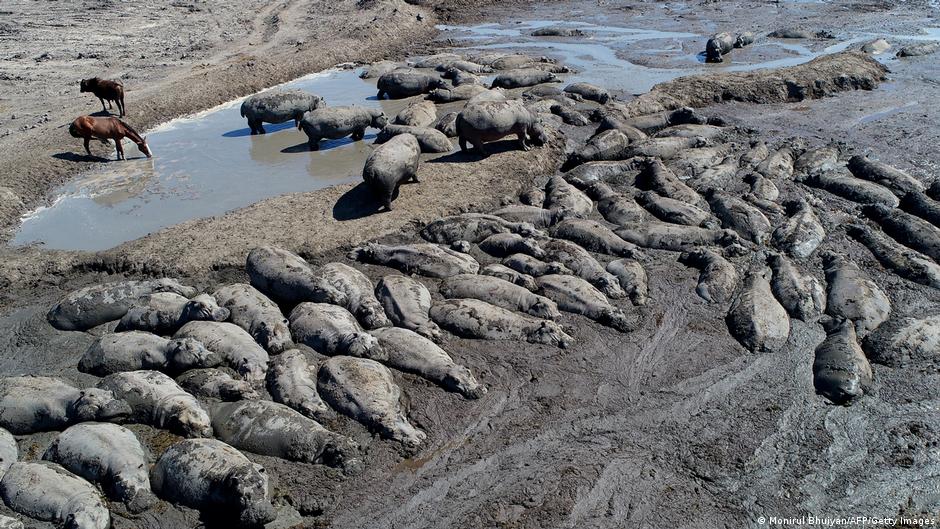
With the UN warning of major climate risks in Africa, European agronomists and traders should consider the broader implications for global commodity prices and agricultural supply chains.
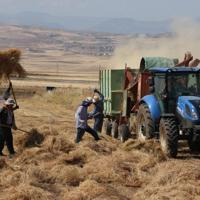
Extreme weather events have hit nearly 90,000 hectares of agricultural land in Türkiye in early 2026, creating potential ripple effects for European import markets.
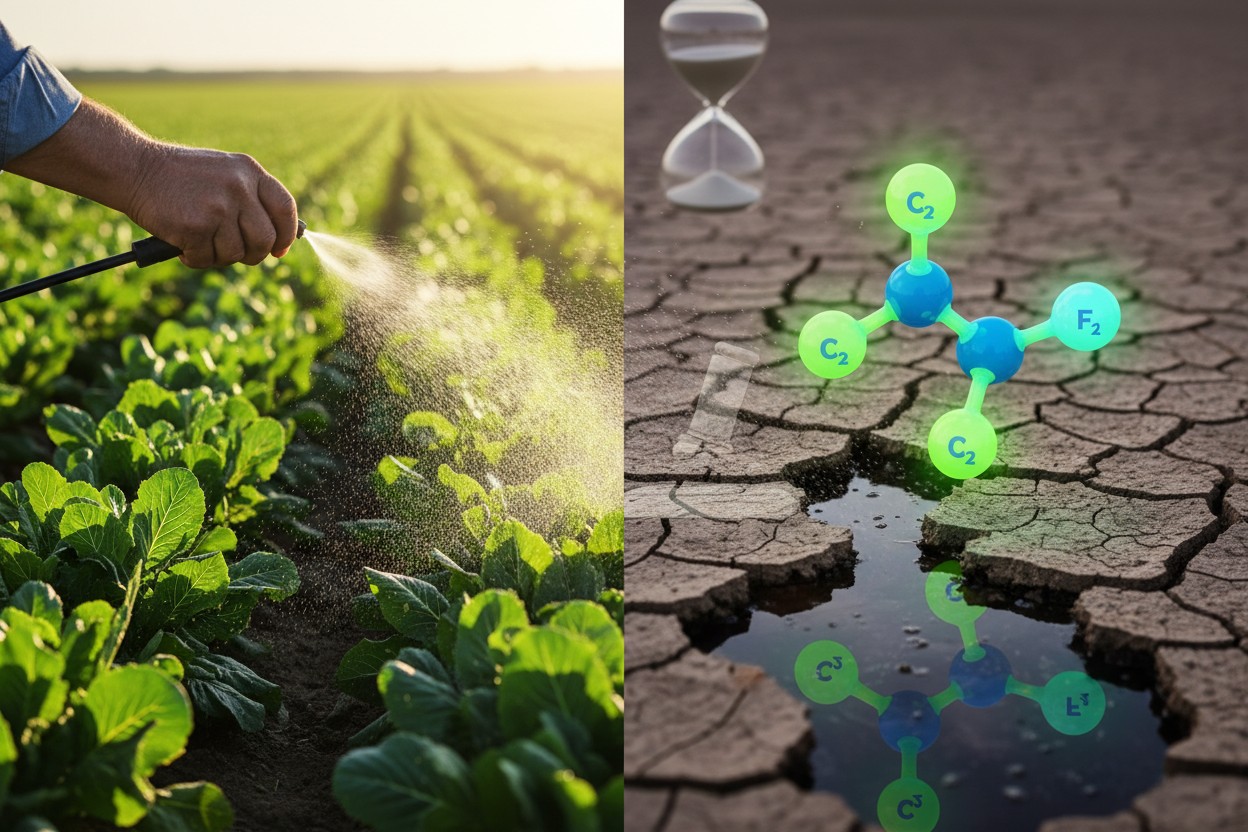
New EPA pesticide approvals involving carbon-fluorine bonds are raising alarms about 'forever chemicals.' Here is how this regulatory shift impacts international standards and crop protection strategies.
Bulog’s increased rice procurement in South Papua highlights a major shift in Indonesian food policy. Here is what this means for European ag-exporters and machinery suppliers.
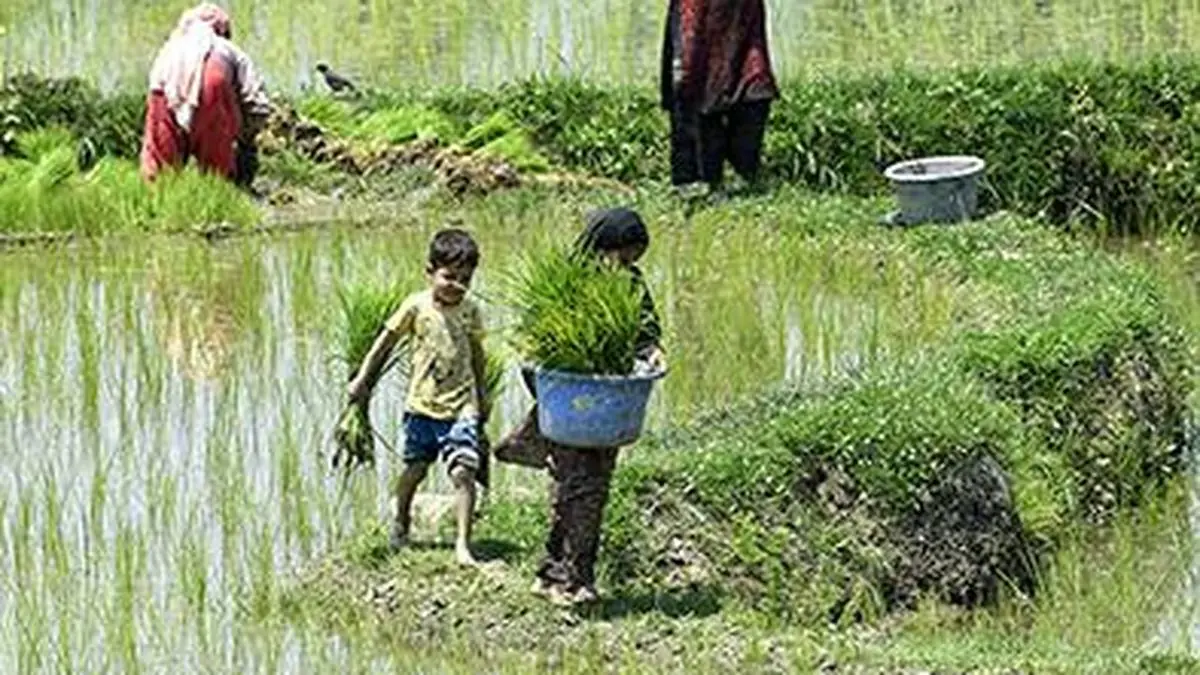
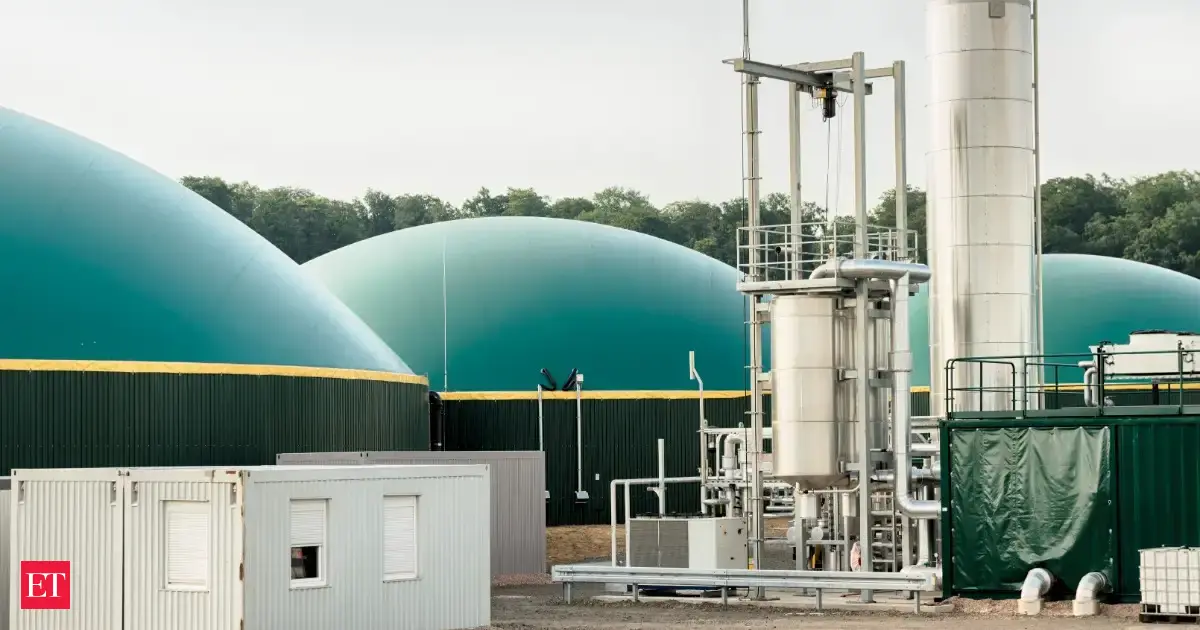
A new partnership in Assam signals a shift toward circular agriculture, utilizing dairy waste for clean energy and high-quality organic fertilizer production.
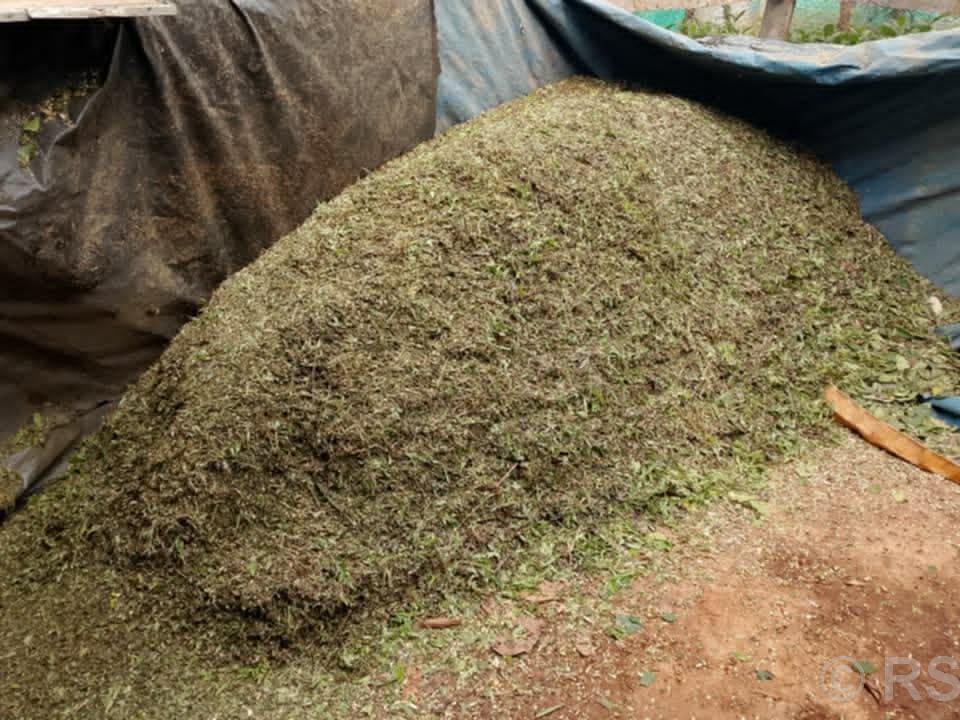
Community-led initiatives to convert forest leaf litter into organic fertilizer offer a sustainable, cost-effective alternative to commercial inputs for small-to-mid-sized farms.
Modernizing grain storage and logistics is shifting from a burden to a value-creation tool. Here is how improved warehouse visibility impacts European farm profitability.
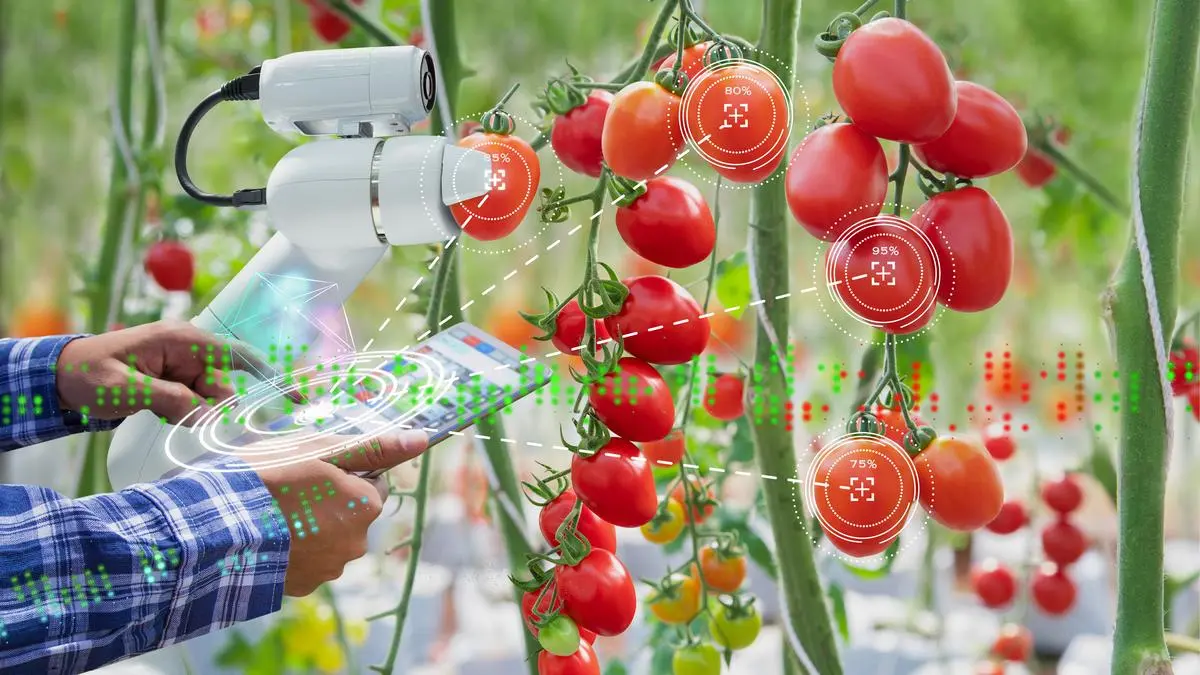
India is rapidly digitizing its farm sector with AI. What lessons can European producers draw from these large-scale digital public infrastructure efforts?
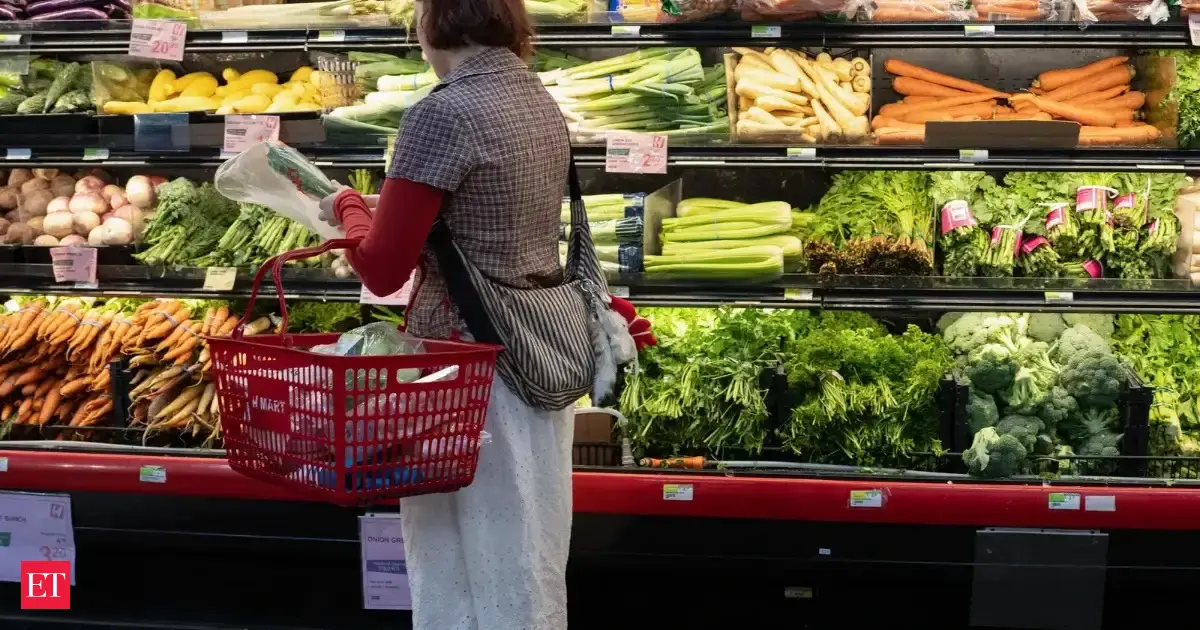
FAO reports a dip in global food prices driven by lower cereal and dairy costs. What does this mean for European farmers’ margins and export competitiveness?
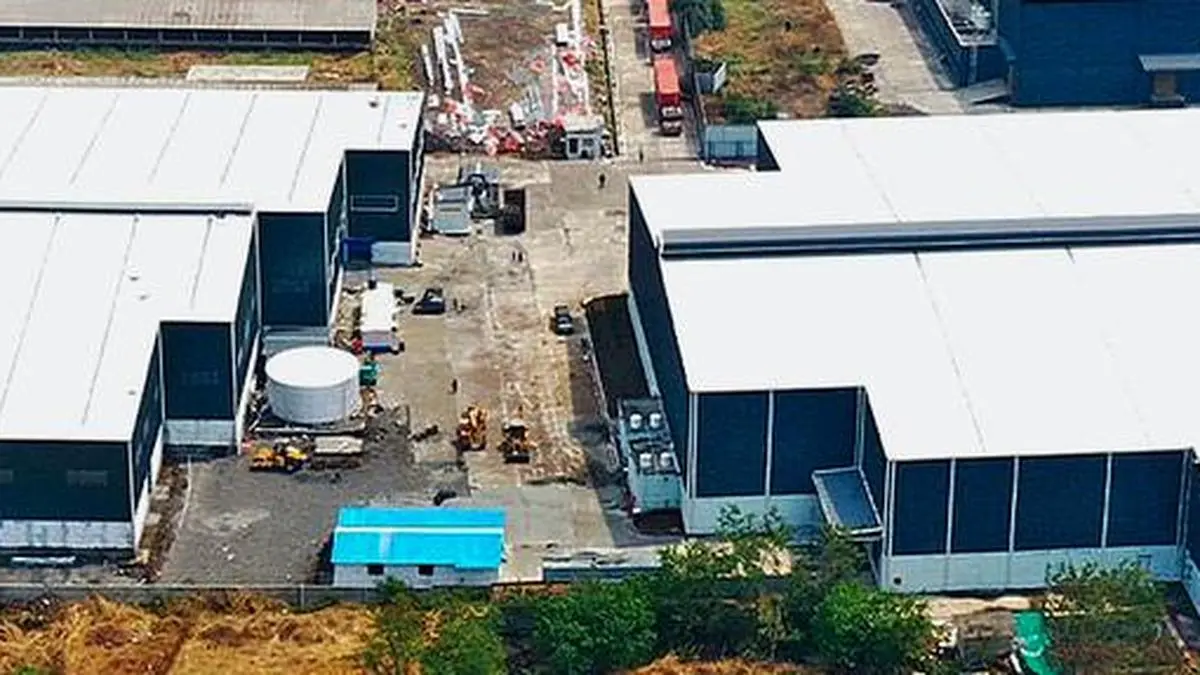
While nitrogen, phosphorus, and potassium dominate the headlines, a looming sulfur shortage threatens the backbone of modern crop yields and soil health across Europe.
New data on Northern Ireland’s milk pricing and collection volumes provide a barometer for wider European dairy market stability and supply chain health.
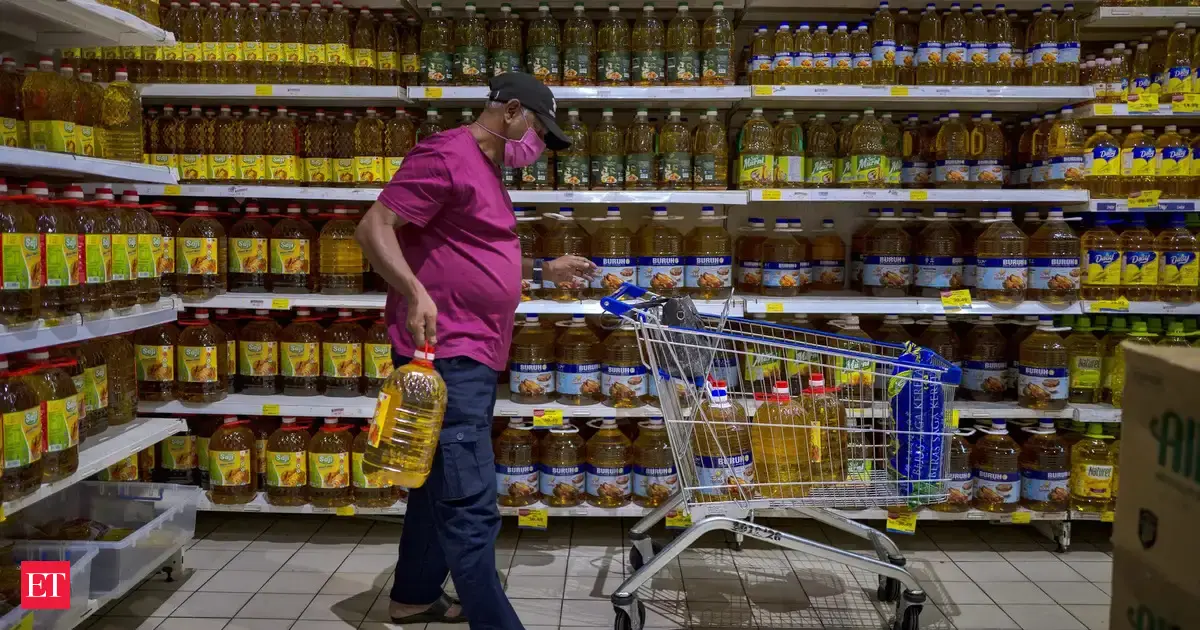
A significant drop in Indian palm oil imports suggests a shift in global vegetable oil demand, potentially impacting pricing dynamics for European sunflower and rapeseed producers.
We use essential cookies for secure login sessions and basic site functionality.